


A pulled muscle or muscle strain stops you mid-rep, mid-sprint, or mid-match. Whether it is a slight pull that tightens up after training or genuine muscle pain that flares with every step, the fear of weeks off the floor hits fast.
We at Anaconda hear this constantly from athletes who dealt with a muscle strain, trained through it, or got hurt, and were told to just rest and wait.
Here is what most people are never told: Knowing how to speed up muscle recovery from strain is not about finding a shortcut. It is about following a phased plan that keeps you moving intelligently while the muscle strain heals.
For most Grade I and Grade II strains, full immobilization beyond 72 hours slows healing, not the other way around. This guide covers every stage, from the first hours of injury through full return to training.
Key Takeaways
-
The first 48 to 72 hours are about protecting the injured area and controlling inflammation, not total immobilization.
-
Gentle movement introduced early in the recovery process restores blood flow, limits scar tissue buildup, and prevents the stiffness that drags recovery out.
-
Nutrition, hydration, and seven to nine hours of sleep nightly are the recovery multipliers most athletes underestimate.
-
The right compression and heat therapy, used at the correct time, measurably reduce discomfort during healing.
-
If pain worsens after 7 to 10 days of structured effort, a physical therapist or sports medicine specialist should be involved immediately.
Understanding Muscle Strains: Grades, Symptoms, and Timelines
A muscle strain happens when muscle fibers are overstretched or partially torn, most often at the point where the muscle meets the tendon.
Unlike sore muscles, which spread across a broader area and peak 24 to 48 hours after physical activity, a strain causes immediate, pinpoint pain at one specific location. That difference matters a great deal when deciding how to manage the injury.
We at Anaconda have seen athletes of every level deal with pulled muscles across every major muscle group, and the one thing that consistently shapes muscle strain recovery is knowing which grade of strain injury you are dealing with before making any training decisions.
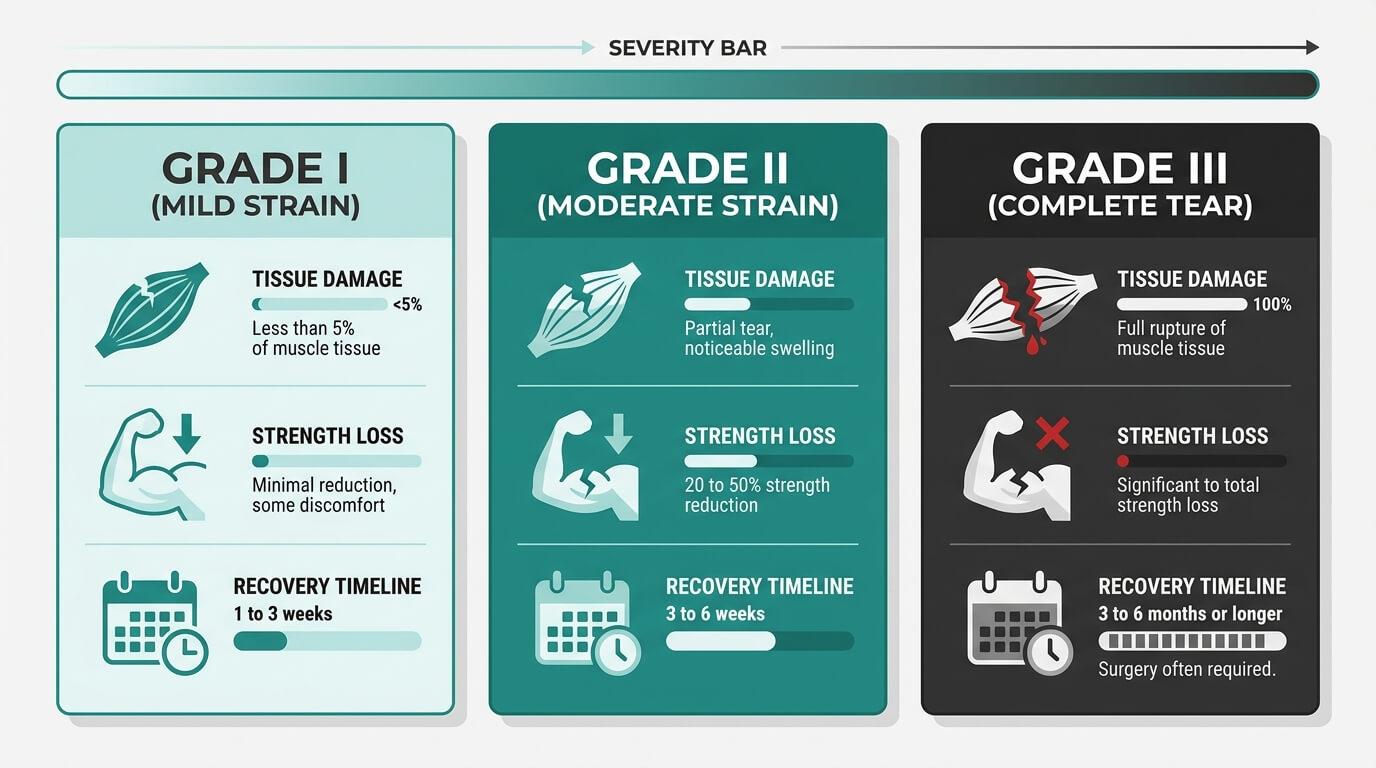
Each grade of muscle strain carries its own profile of symptoms and healing timelines. Here is what to expect at each level:
Grade I (Mild Strain)
-
Micro-tears affecting less than 5% of muscle tissue, described as a slight pull
-
Localized muscle pain, minimal swelling, no significant strength loss
-
Typical recovery: 1 to 3 weeks with proper care
Grade II (Moderate Strain)
-
Partial tear of muscle fibers with visible swelling and bruising
-
Noticeable weakness, roughly 20 to 50% strength reduction
-
Recovery: 3 to 6 weeks; severe strains at this level can extend to two weeks longer
Grade III (Complete Tear)
-
Full rupture of muscle tissue, often with an audible pop at the moment of injury
-
Severe weakness and inability to contract the torn muscle at all
-
Recovery: 3 to 6 months or longer, often involving orthopedic surgeons and surgery
Other soft tissue injuries, such as ligament sprains, can present similarly, so it is important to differentiate. A strain is specifically a muscle or tendon injury. If you notice a visible deformity, cannot bear weight, or experience an audible pop, stop self-managing the muscle strain and get a physical exam from a healthcare provider immediately.
Phase 1 (First 48 to 72 Hours): Control the Damage Without Freezing Up
The instinct to go completely still in those first few days is understandable, but it is not appropriate for most soft-tissue injuries. The muscle strain needs protection from additional stress, yes, but it also needs active circulation in the body. Shutting everything down entirely slows recovery, not speeds it up.
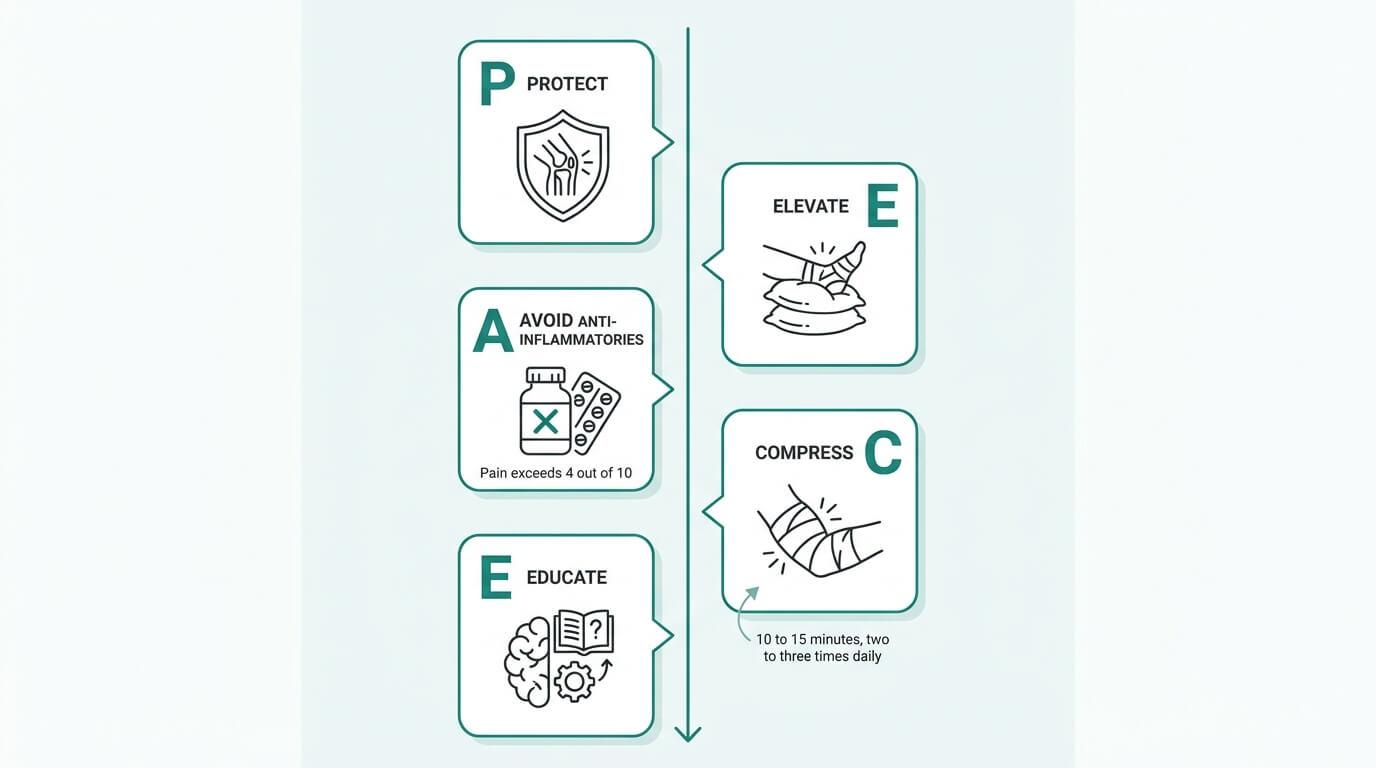
The traditional RICE method has largely been replaced in sports medicine. A systematic review and meta-analysis published in the British Journal of Sports Medicine found that the PEACE and LOVE protocol outperformed RICE for pain reduction, range of motion, and return-to-sport timelines across 1,368 participants. Here is what the PEACE phase means in practice for injured muscles:
What PEACE Means in Practice
-
Protect: Avoid any movement that directly loads the strained muscle. Scale back intensity for the first 24 to 48 hours, particularly if pain exceeds 4 out of 10.
-
Elevate: Keep the limb above heart level when resting. This helps reduce swelling in the injured area faster.
-
Avoid anti-inflammatories: NSAIDs elevate bleeding risk in the acute phase. Acetaminophen is a safer choice for pain relief during this window.
-
Compress: Apply snug compression using an elastic bandage or brace to control initial swelling and improve joint awareness.
-
Educate: Understand that prolonged full immobilization beyond 72 hours can lead to scar tissue and stiffness that can slow recovery. The goal is protection, not paralysis.
For ice compression, apply an ice pack to the affected area for 10 to 15 minutes at a time, two to three times daily, to reduce inflammation and immediate pain. Do not ice continuously. Once the acute phase passes and inflammation is controlled, gentle movement becomes your primary tool. Heel slides, pendulum shoulder swings, and similar low-load movements several times daily promote healing by maintaining circulation in the injured muscles without adding stress to the tear.
For athletes managing knee discomfort during this phase, compression support makes a real difference in mobility and confidence. The Anaconda Active Knee Support uses lightweight 3D compression to stabilize the joint while allowing natural movement, so you stay protected without locking the knee in place. It is built for athletes who need to train safely while healing, not sit out entirely. Get the Anaconda Active Knee Support.
Phase 2 (Days 3 to 14): Switch From Rest to Smart, Guided Loading
Once the first 48 to 72 hours have passed, prolonged immobility becomes the enemy of muscle recovery. We at Anaconda have watched athletes add weeks to their muscle strain recovery simply by resting too long.
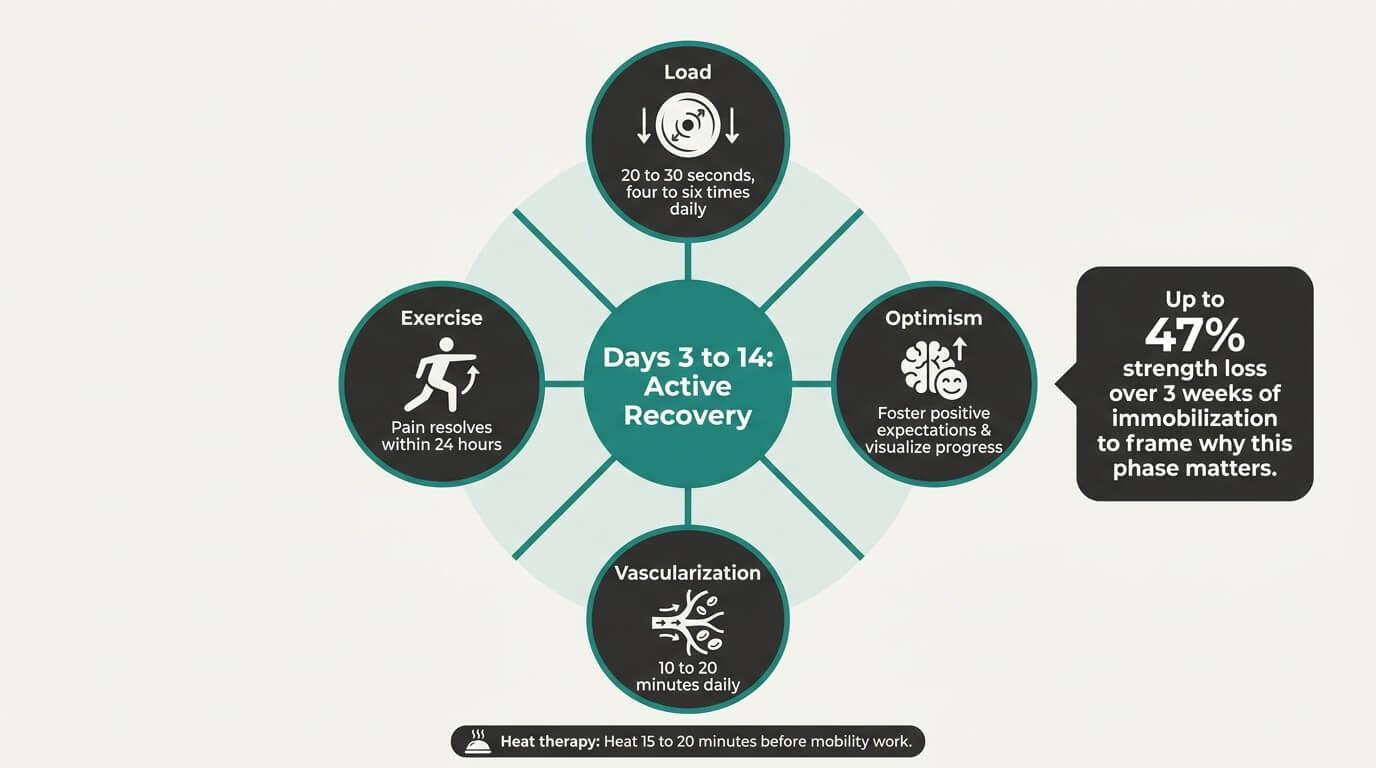
A 2019 systematic review in Sports Medicine confirmed that muscle strength loss during immobilization is greater and faster than muscle size loss, with some studies reporting up to a 47% reduction in limb strength over 3 weeks. Prolonged rest also leads to disorganized scar tissue that limits the range of motion and sets the stage for further injury.
This is where the LOVE phase of the protocol begins, and active recovery starts. Here is what each element means for your physical activity during this window:
-
Load: Introduce gentle, progressive stress to the injured muscles. Isometric contractions held for 20 to 30 seconds, four to six times daily, align healing tissue and support recovery without overstressing the tear.
-
Optimism: Staying active in a modified way preserves physical capacity and the mental momentum that a complete shutdown takes away.
-
Vascularization: Low-impact cardio, such as walking, cycling, or swimming, for 10 to 20 minutes daily, improves circulation and delivers nutrients throughout the recovery. Improved circulation promotes healing by accelerating the removal of inflammatory byproducts from the muscle strain site.
-
Exercise: Structured movement that does not provoke sharp pain. Pain during exercise should remain mild and fully resolve within 24 hours after each session.
Gentle movement and gentle stretching should be introduced carefully after 48 to 72 hours. Harvard Health Publishing notes that gentle stretching promotes healing by restoring normal length to muscle fibers, reducing muscle pain, and lowering the risk of scar tissue formation during recovery. Apply heat for 15 to 20 minutes before mobility work to relax the injured muscle and improve blood flow, then follow with controlled stretching to maximize the benefits of muscle repair.
Targeted exercises for the strained muscle, combined with low-impact movement away from structured training, are what separate athletes who heal in two weeks from those who are still managing the same pulled muscle weeks later.
Phase 3 (Weeks 2 to 6+): Rebuild Strength and Restore Full Mobility
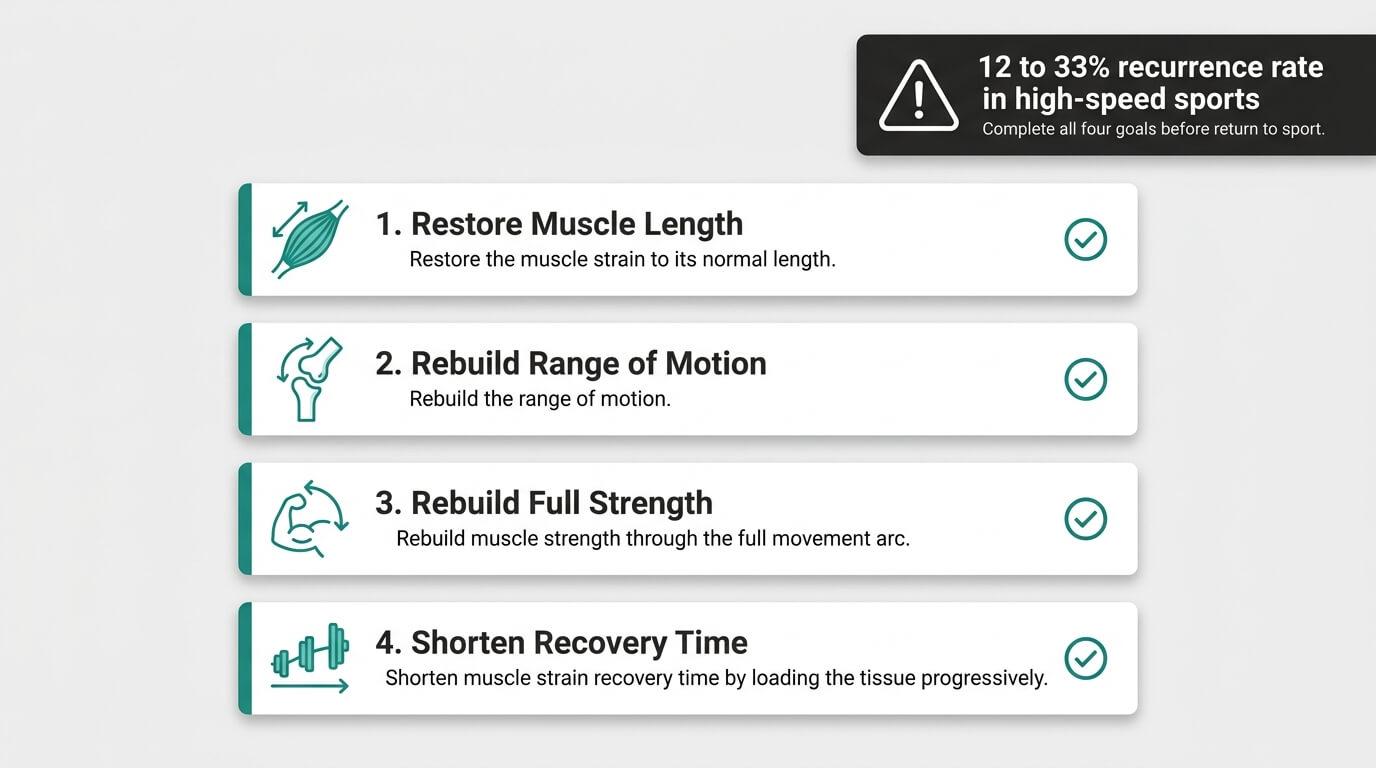
When muscle pain during daily movement has significantly reduced, the focus shifts from protecting the strain to rebuilding it. This is the phase where most athletes either fully recover from the muscle strain or get reinjured, and the difference almost always comes down to pacing. Hamstring strains carry a recurrence rate of 12 to 33% in high-speed sports, largely because athletes return before the muscle tissue is structurally ready.
The goal in this phase is to:
-
Restore the muscle strain to its normal length
-
Rebuild the range of motion
-
Rebuild muscle strength through the full movement arc
-
Shorten muscle strain recovery time by loading the tissue progressively before returning to full training
A physical therapist or healthcare provider can help tailor the progression if you are dealing with a Grade II strain or if recovery has stalled.
For shoulder strains, the right support during this rebuilding phase expands what you can safely load. The Anaconda Shoulder Brace uses 3D compression, gel padding, and a secure strap to protect the joint while you work through strengthening exercises. It supports the shoulder through the eccentric and isotonic work this phase demands without restricting the movement you are actively restoring. Get the Anaconda Shoulder Brace.
Recovery Multipliers: Nutrition, Sleep, and Hydration
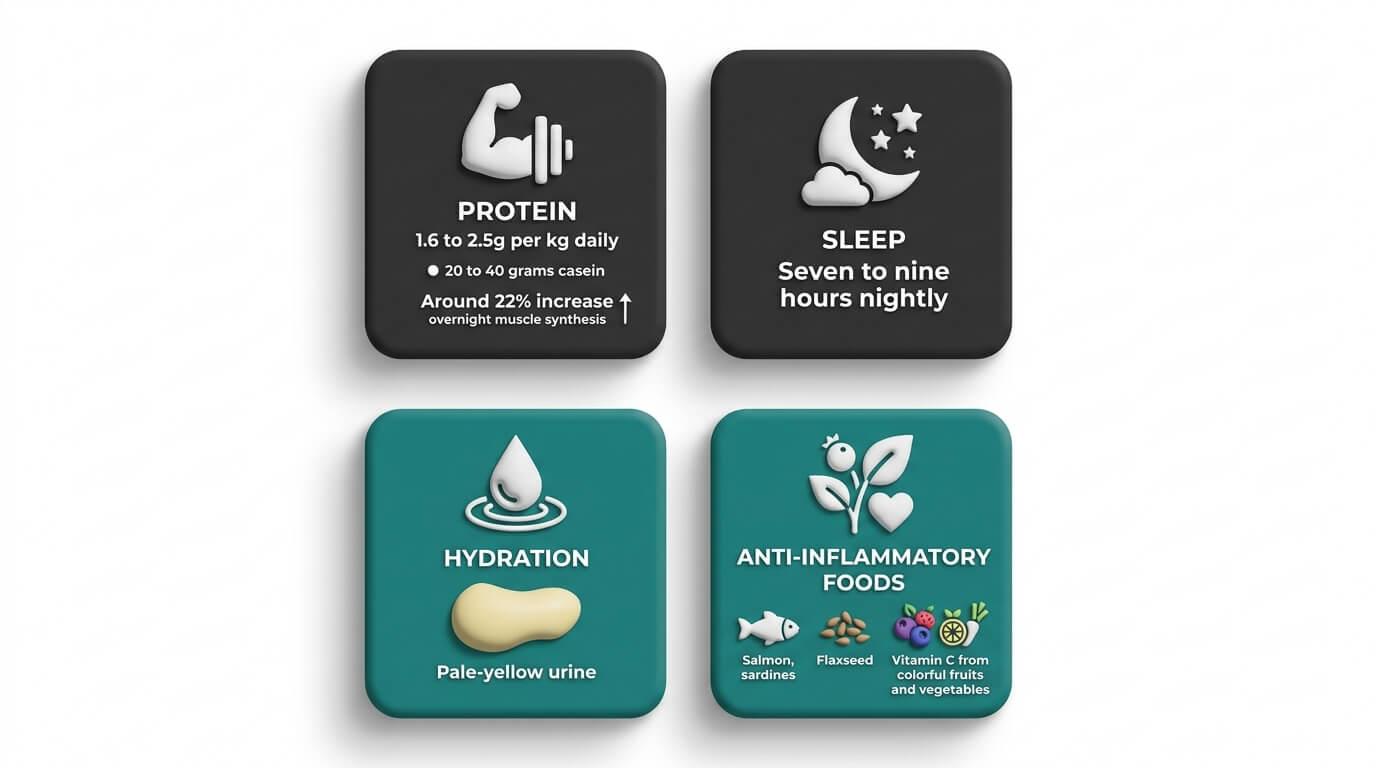
What happens away from training drives muscle recovery just as much as what happens on the floor. Recovery is a full-body process, and three factors consistently determine whether healing happens on schedule or stalls. We at Anaconda are direct about this: if your nutrition, sleep, and hydration are off, no protocol will fully compensate for the deficit.
Protein
Once acute swelling subsides, protein intake becomes the primary driver of muscle fiber repair. Research on athletic injury recovery recommends 1.6 to 2.5 grams of protein per kilogram of body weight daily during the repair phase, divided across four to six meals.
A meta-analysis of 1,863 participants published in BJSM found that protein intake below 1.6 g/kg/day failed to maximize muscle protein synthesis even in trained athletes. Pre-sleep intake of 20 to 40 grams of casein protein increases overnight muscle protein synthesis by around 22%, making it one of the most effective habits during the healing period.
Hydration
Stay hydrated consistently throughout recovery.
The more consistently you stay hydrated, the more efficiently your body flushes waste products and delivers nutrients to the strained area. Water is essential for transporting nutrients to injured muscles and flushing out waste products that accumulate after a muscle strain injury.
Dehydration stiffens injured tissue, raises pain during movement, and lowers your tolerance for the progressive loading this phase requires. Pale-yellow urine is the practical daily benchmark. Staying hydrated also reduces muscle strain and inflammation, which matters particularly during the first several weeks of healing.
Sleep
Aim for seven to nine hours of sleep each night without compromise. This is when growth hormone secretion and cytokine activity peak, both of which are central to driving the body's cellular repair. Sleep restriction blunts the immune response and significantly slows healing. According to Harvard Health Publishing, the body performs its most intensive cellular repair during deep sleep cycles. Harvard Health Publishing research also consistently links sleep quality to faster strain recovery and fewer complications, making it one of the most underused tools an athlete has. A consistent bedtime, no screens 30 minutes before sleep, and a cooler room temperature are habits that compound into meaningful gains across the full recovery period.
Anti-Inflammatory Foods
Diet quality directly affects how cleanly the injured muscle heals and how effectively the body can reduce inflammation in the injured area. The following provides the strongest evidence-backed nutritional support for muscle strain recovery:
-
Healthy fats from salmon, sardines, and flaxseed reduce systemic inflammation and support recovery at the injury site
-
Vitamin C from colorful fruits and vegetables drives collagen synthesis, critical for rebuilding connective tissue at the injury site
-
Lean protein sources distributed across meals provide the amino acid supply needed to rebuild torn muscle tissue
-
Whole food carbohydrates fuel active recovery sessions without spiking the inflammatory markers that slow healing
Maintaining a healthy weight supports healing. Excess body load increases mechanical stress on the injured muscle during training. Athletes who actively manage their body composition and work to lose weight if needed tend to lower their re-injury rates of future strains.
Tools and Therapies That Can Safely Speed Recovery
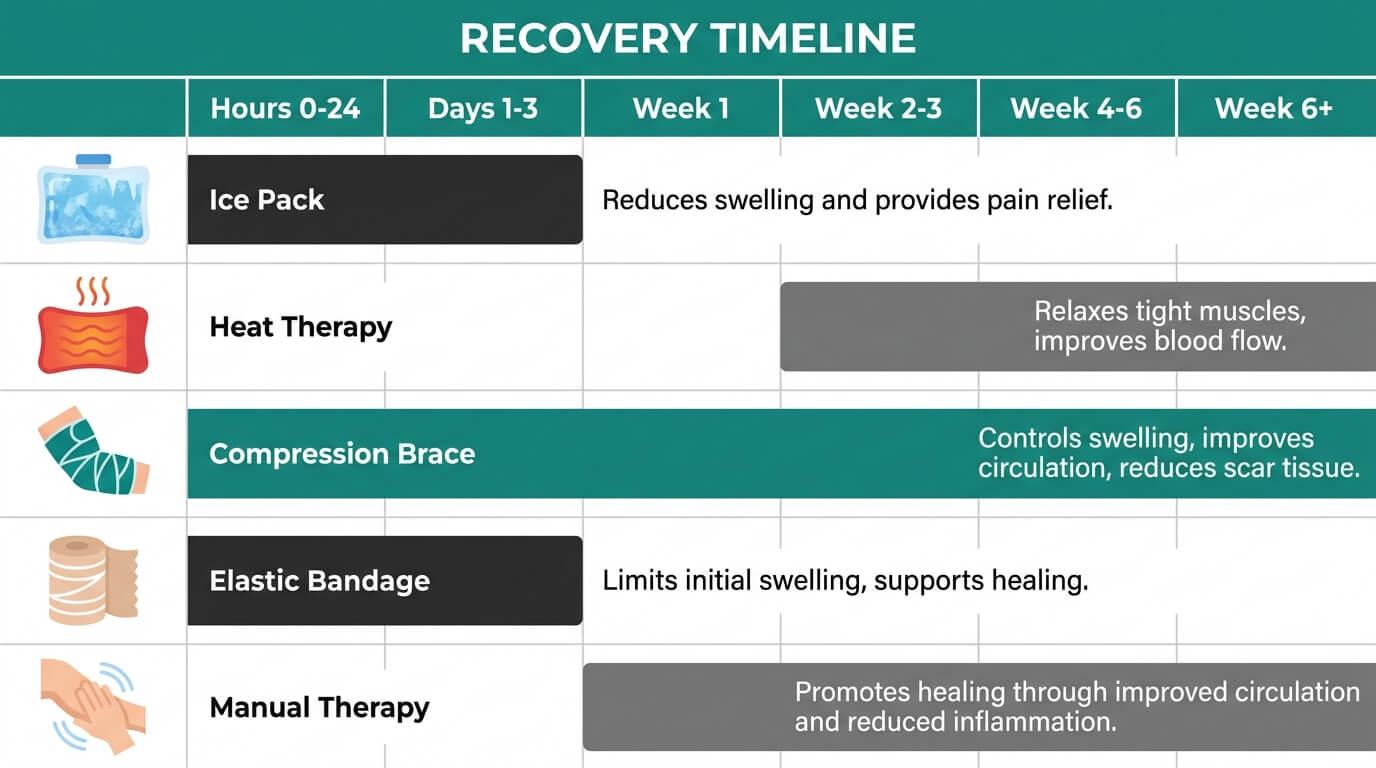
Certain recovery tools genuinely shorten recovery when used correctly and at the right stage. The two most common mistakes we see are applying ice past the acute window when heat would promote healing better, and skipping compression entirely.
Here is a clear breakdown of what works, when to use each tool, and what it actually does:

Myofascial release and stretch therapy support healing by improving circulation, reducing inflammation, and limiting swelling around the injury. These are most effective when used as a complement to active loading, not as a standalone home treatment. For torn muscles and other soft-tissue injuries, manual therapy combined with progressive exercise reduces scar tissue formation more quickly than rest alone.
Understanding how a knee brace improves circulation and supports healing during active recovery is key to choosing the right tool at each phase. For knee strains and other knee injuries, the Anaconda Knee Brace uses a dual-strap system, 3D compression, and protective padding to support the injured area without restricting the movement needed to reload the tissue. Over 400,000 athletes rely on our gear for exactly this purpose. Get the Anaconda Knee Brace.
Red Flags: When Pushing Through Becomes Dangerous
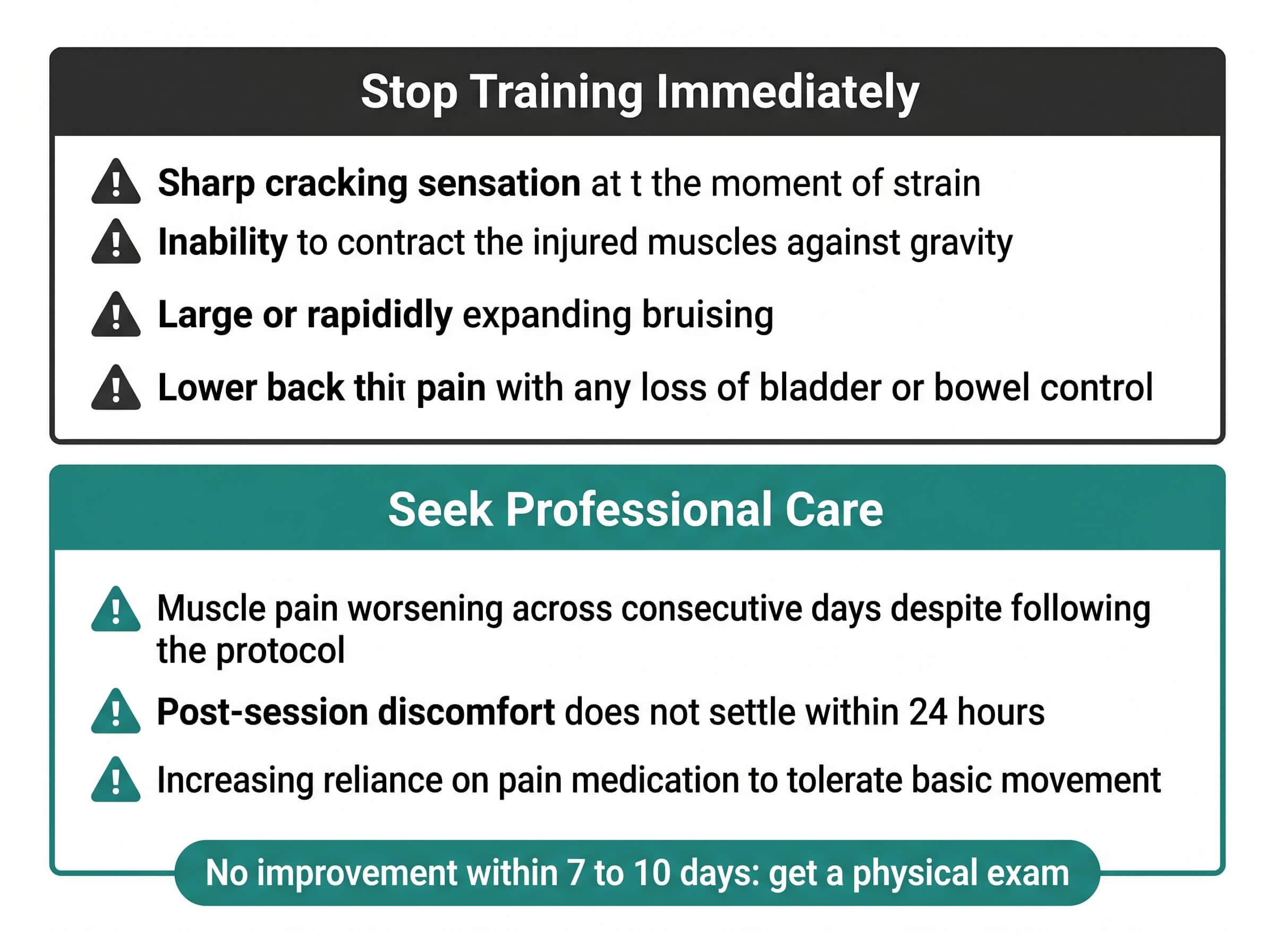
Training smart through a muscle strain requires reading your body accurately. We at Anaconda believe in staying active through recovery, but there is a clear line between manageable discomfort and a signal that something more serious needs attention. Missing that line is how a manageable strain becomes a Grade III injury requiring surgery and prolonged recovery.
The following symptoms mean you should stop all training and get a medical evaluation:
-
A sharp cracking sensation at the moment of strain, which may indicate a torn muscle or complete rupture requiring orthopedic evaluation
-
Inability to contract the injured muscles against gravity after the acute phase passes
-
Large or rapidly expanding bruising around the injured area
-
Lower back pain with any loss of bladder or bowel control, which requires emergency care immediately
Beyond acute red flags, the following signs indicate the muscle strain is not healing correctly and that a physical therapist or healthcare provider should be brought in rather than continuing self-managed recovery:
-
Muscle pain has been steadily worsening across several consecutive days despite following the protocol
-
Post-session discomfort that does not settle within 24 hours
-
Increasing reliance on pain medication to tolerate basic movement
Severe strains often require more structured oversight than home treatments can provide. If there is no meaningful improvement within 7 to 10 days of consistent effort, get a physical exam. A 2025 AAOS clinical review confirmed that early professional involvement almost always shortens total recovery time compared to self-managing through worsening symptoms. A physical therapist can also identify the muscle weakness or movement pattern that caused the original strain, which is the most effective way to stop re-injury and reduce the overall risk of future strains.
Final Words
Muscle strain recovery doesn't have to mean several weeks off the floor, watching your fitness fade. Most soft tissue injuries respond well to smart, phased loading when you give your body what it needs: controlled movement, solid nutrition, consistent hydration, quality sleep, and proper support through every stage of the healing process.
Our founder built Anaconda because he had lived through the frustration of bad advice and believed that athletes dealing with injury deserved better tools and guidance. Whether you need compression to support healing early on, joint stabilization during strengthening exercises, or protection through full return to training, explore our braces and supports collection and train the way your body was built to heal.
Frequently Asked Questions
Here are the questions we at Anaconda hear most often about muscle strain recovery, answered directly:
Can I continue training with a mild muscle strain?
Yes, a mild muscle strain generally allows for modified training without delaying muscle recovery. Avoid movements that directly load the pulled or strained muscle or tissue; reduce overall intensity; and progress loading gradually as pain allows. Sore muscles from training can be worked through, but a genuine strain needs targeted protection.
How does the PEACE and LOVE protocol differ from RICE?
RICE addresses symptoms in the short term only and offers no guidance for the days and weeks after the initial strain. PEACE and LOVE take a phased approach that protects the muscle from strain first, then progressively reloads the muscle to promote functional healing and reduce total recovery time.
When should I switch from ice to heat therapy?
Switch from ice to heat after the first 48 hours post-injury. Ice compression helps manage initial swelling and reduce pain during the acute window. After that, heat relaxes tight muscles and improves blood flow, supporting healing in the days that follow.
What role does nutrition play in muscle strain recovery?
Nutrition directly determines how quickly damaged muscle tissue rebuilds. Adequate protein intake, healthy fats that reduce inflammation, and staying hydrated all support muscle repair at the cellular level, making nutrition one of the most controllable variables available to any athlete.


