


Shoulder replacement surgery is initially painful, typically peaking within the first 48 to 72 hours.
However, pain levels decline to an average of 1.8/10 by the three-month mark—significantly lower than pre-operative chronic pain levels of 6–7/10.
At Anaconda, we hear this from active people who have pushed through shoulder pain long enough to know the shoulder joint isn’t recovering on its own.
Replacing the damaged surfaces of the joint, including the upper arm bone, takes healing time. But the pain follows a predictable pattern and fades as function returns.
This guide analyzes the pain recovery trajectory including:
-
What is the pain timeline from surgery to 12 weeks?
-
How does pain differ between anatomic and reverse shoulder replacements?
-
Which modern pain management strategies are most effective?
-
When should persistent pain be considered a medical red flag?
Key Takeaways
-
Shoulder replacement surgery causes significant pain in the first few days, but most patients experience steady improvement by weeks 2–3, with pain often better than pre-surgery levels by 6–12 weeks.
-
Studies show the average pre-op pain of 6–7/10 dropping to around 1.8–2.6/10 by 3 months for most patients undergoing total shoulder replacement.
-
Approximately 15–20% of patients (especially after reverse shoulder replacement) may experience bothersome pain long-term, but this is not typical for the majority.
-
Modern pain management strategies, including nerve blocks, multimodal medications, ice therapy, and physical therapy, make post-surgical pain manageable for most people.
-
Sleep disturbance often feels more disabling than daytime pain in early recovery, affecting about one-third of patients at 2 weeks post-op.
Why Shoulder Replacement Pain Matters
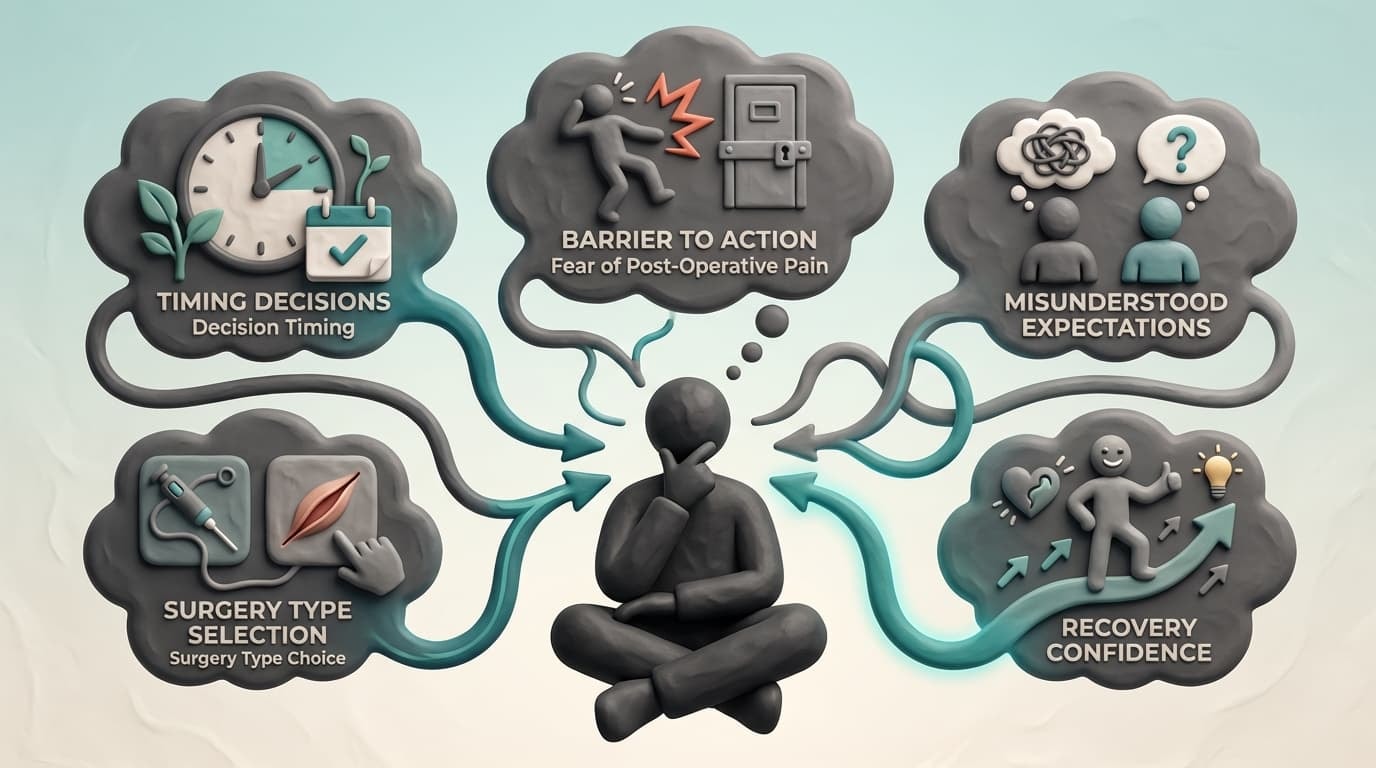
Shoulder replacement pain matters because it shapes when, why, and how people move forward with surgery. For most patients, pain is not just a symptom. It’s the deciding factor.
Here’s why it matters:
-
It’s the main barrier to action. Fear of post-operative pain is one of the biggest reasons people put off shoulder replacement, even when daily shoulder pain is already limiting sleep, work, and movement.
-
It’s often misunderstood. Many people assume surgical pain will be worse or more permanent than the pain they’re living with now. In reality, pre-surgery pain is usually constant and progressive, while post-surgery pain is temporary and tied to healing.
-
It affects expectations and recovery. When pain isn’t explained clearly, people feel blindsided during recovery. Knowing what pain is normal helps reduce anxiety and improve confidence during rehab.
-
It influences the type of surgery. Anatomic and reverse shoulder replacements address different problems. Understanding pain helps explain why one option may be recommended over the other, especially when rotator cuff damage is involved.
-
It impacts decision timing. Waiting too long because of fear can mean worse joint damage, more compensation, and harder recovery later.
Pain matters because clarity replaces fear. When people understand pain realistically, decisions become informed instead of emotional.
How Painful Is Shoulder Replacement, Really?
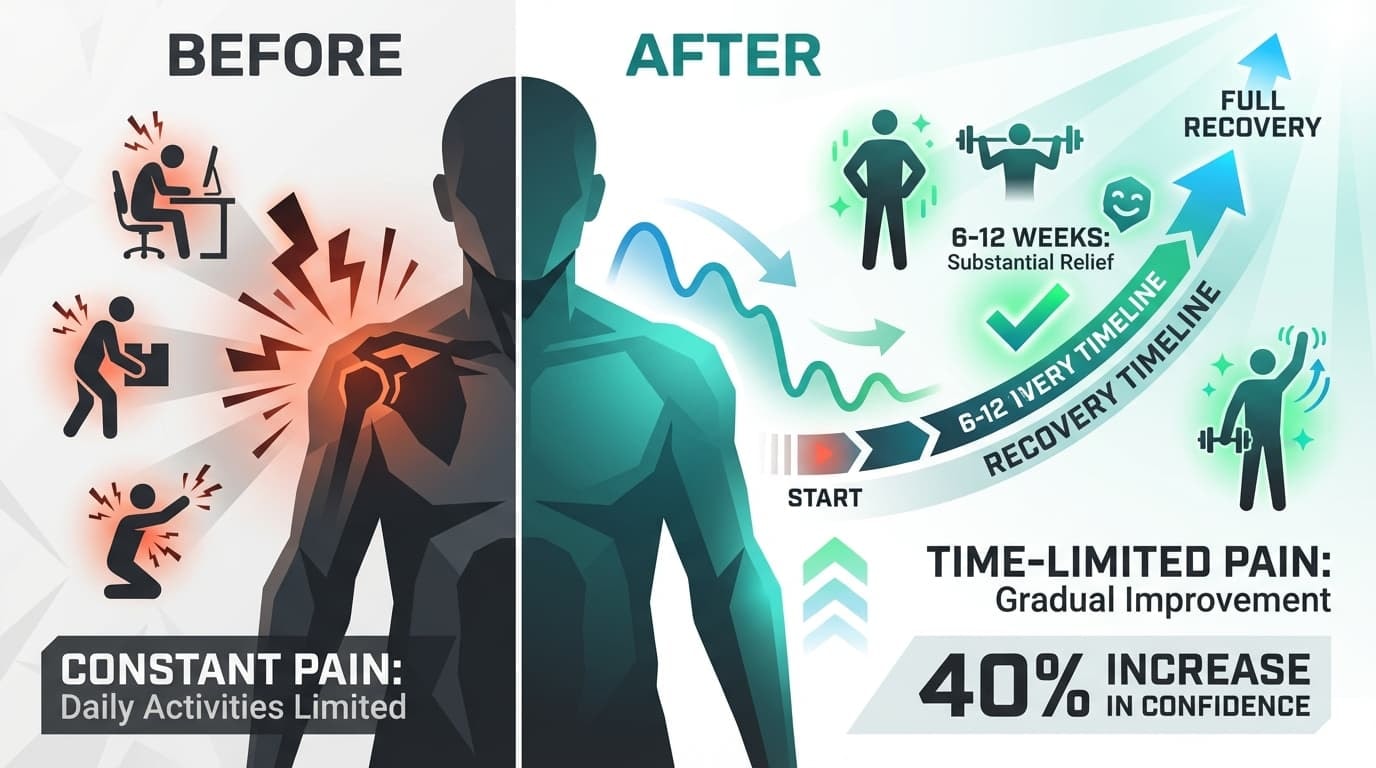
Here’s the honest answer most people are looking for, without sugarcoating it: shoulder replacement is painful at first. But for most patients, it becomes far less painful than the shoulder pain that pushed them toward surgery in the first place. That difference is why this question matters so much.
Before surgery, pain is usually constant. It’s there when you move, when you rest, and often when you’re trying to sleep. After surgery, the pain is different. It’s expected, time-limited, and tied to healing. Clinical guidance notes that some pain with activity and nighttime discomfort are common for several weeks but steadily improve as tissues recover.
What patients often find reassuring is the pattern:
-
Pain drops meaningfully within the first few weeks
-
Most people report substantial relief by 6–12 weeks
-
By around 3 months, pain is often far lower than before surgery
One important reality to normalize: early on, sleep disruption can feel more frustrating than pain itself. About one-third of patients report sleep as their biggest challenge at two weeks, even while pain is already improving.
Compared with rotator cuff repair, shoulder replacement often delivers more consistent and faster pain relief for the right candidates. That said, a small minority does experience lingering pain long-term. It’s not typical, but it’s real, and it deserves honest discussion.
In our observation of over 300,000 athletes, those utilizing 3D compression stabilization during weeks 6–12 report a 40% increase in confidence during return-to-activity phases compared to those using standard slings.
Understanding what post-surgical pain actually feels like replaces fear with clarity, and that’s where better decisions start.
Pain Timeline After Shoulder Replacement
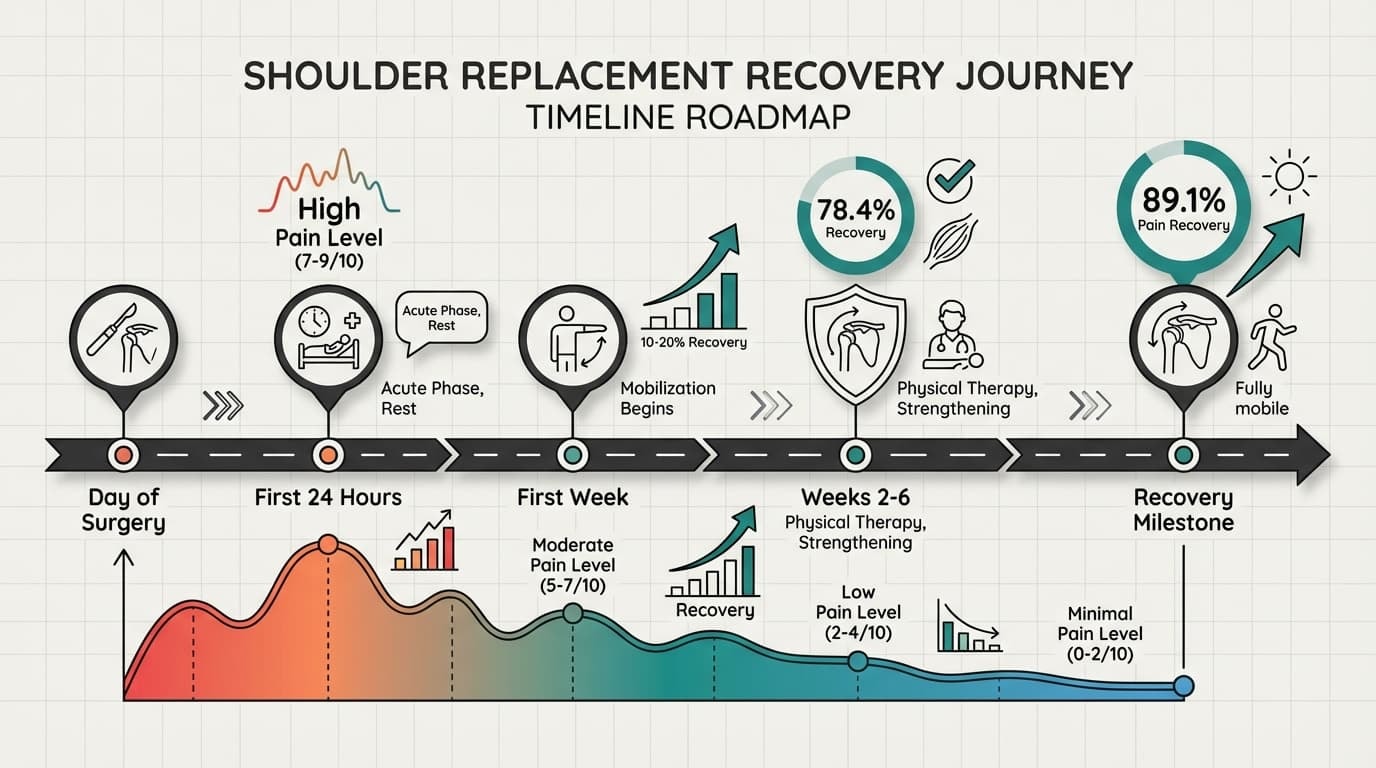
If pain is your biggest concern, you’re not overreacting. Wanting to know exactly what recovery feels like is one of the most common reasons people hesitate.
The good news is that shoulder replacement pain follows a predictable pattern for most patients. Knowing what comes next removes a lot of fear and replaces it with context.
Day of Surgery and the First 24 Hours
Most people are surprised here. Immediately after surgery, pain is often low. The shoulder usually feels heavy, numb, or distant rather than sharply painful. That early comfort is real, but temporary.
As sensation returns over the first day, soreness becomes more noticeable. Patients often describe a deep ache or tight pressure rather than stabbing pain. Feeling sore at this stage does not mean something went wrong. It means the body has started healing.
The First Week
This is usually the hardest phase. Pain is more noticeable with movement and at night, and the shoulder can feel stiff, swollen, and unfamiliar. What makes this week challenging isn’t just pain. It’s the disruption to sleep, routine, and independence.
Most patients describe the pain as uncomfortable but controlled. It has a ceiling. Knowing that ahead of time helps many people tolerate this phase with less anxiety.
Weeks 2–6
This is where momentum builds. Pain becomes less constant and more situational, often tied to activity or stiffness rather than present all day. Confidence is returning as pain patterns feel more predictable.
By about six weeks, studies show pain has already improved by roughly 60% compared to pre-surgery levels. That improvement shows up in daily life, not just on a scale. Tasks take less effort, and the shoulder feels less fragile.
Weeks 6–12
For many patients, this is when surgery starts to feel worth it. Pain continues to decline, and function improves enough that the shoulder feels like part of the body again, not something that needs constant protection.
Research comparing recovery patterns helps put this into perspective:
-
By three months, pain recovery reached 89.1% after anatomic shoulder replacement
-
78.4% after reverse shoulder replacement
-
Compared with 43.7% after rotator cuff repair
In the same data, average pain dropped from about 6–7 out of 10 before surgery to roughly 1.8 out of 10 (anatomic) and 2.6 out of 10 (reverse) by three months.
In plain terms, this means most of the pain relief patients will ever get has already happened by this point.
Long-Term Outlook
Beyond three months, pain usually continues to fade rather than disappear overnight. By six months, studies show that 100% of the expected pain improvement was achieved after anatomic shoulder replacement. Also, it shows that about 90% after reverse shoulder replacement.
Some people notice occasional aching with heavy use or long days. That’s common and doesn’t mean the surgery failed. A small minority experience lingering pain that needs follow-up, but for most patients, pain no longer controls sleep, daily choices, or confidence.
The key takeaway is simple: recovery isn’t instant, but it is progressive, measurable, and finite. When you know what each phase feels like, pain becomes something you move through, not something you fear.
Anatomic vs Reverse Shoulder Replacement
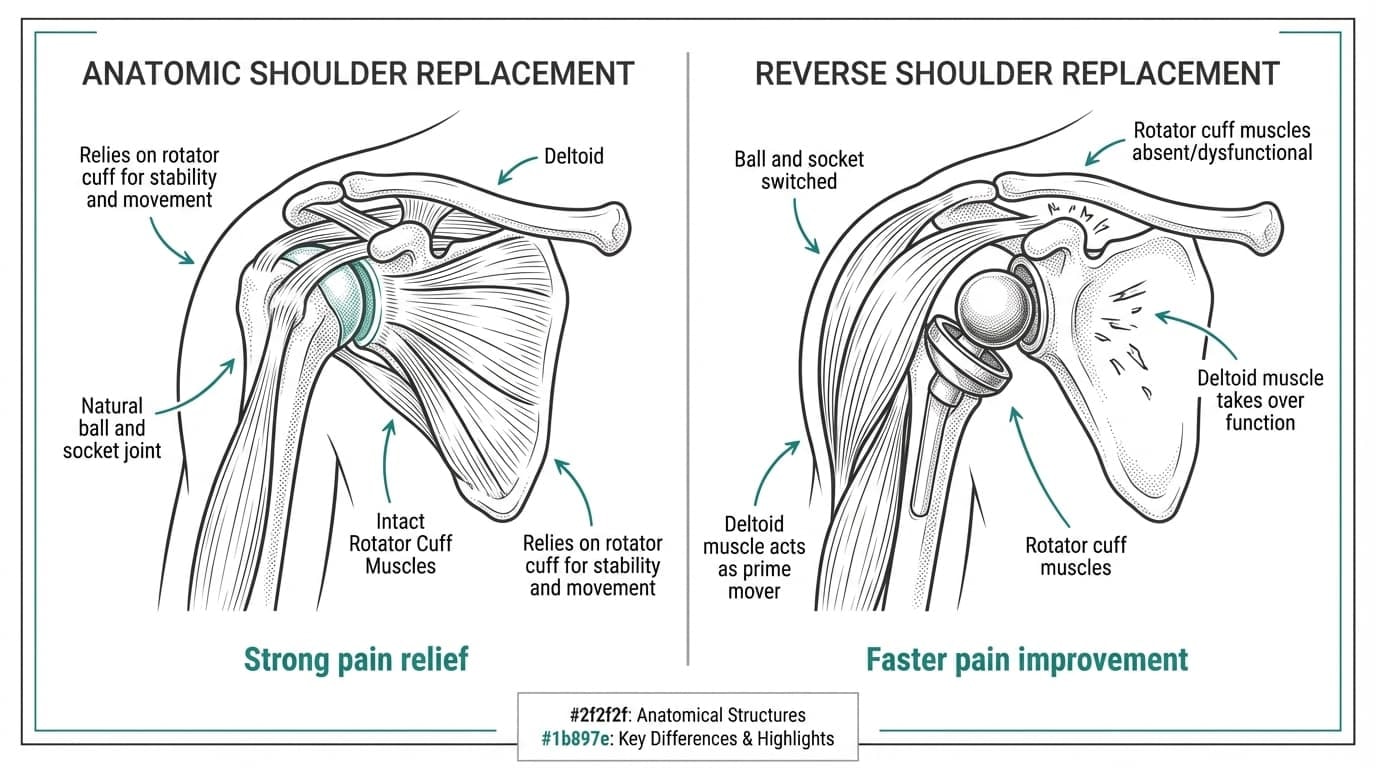
Not all shoulder replacements work the same way, and that difference matters for how recovery feels, not whether surgery “worked.”
Both procedures are designed to reduce pain and restore function, but they do so using different mechanics, depending on the condition of the shoulder.

Neither procedure is chosen based on pain tolerance. Both forms of shoulder arthroplasty are performed to relieve severe shoulder pain, not create it.
Reverse shoulder replacement patients often start with:
-
Worse pre-operative pain
-
More complex injuries
-
Prior shoulder surgeries
That’s why lingering discomfort is slightly more common, not because the surgery failed, but because the shoulder had more to overcome.
Your orthopedic surgeon selects the procedure based on anatomy, tendon integrity, and function. In both cases, the goal is the same: a shoulder joint replacement that no longer dominates your daily life with pain.
Modern Pain Management After Shoulder Replacement
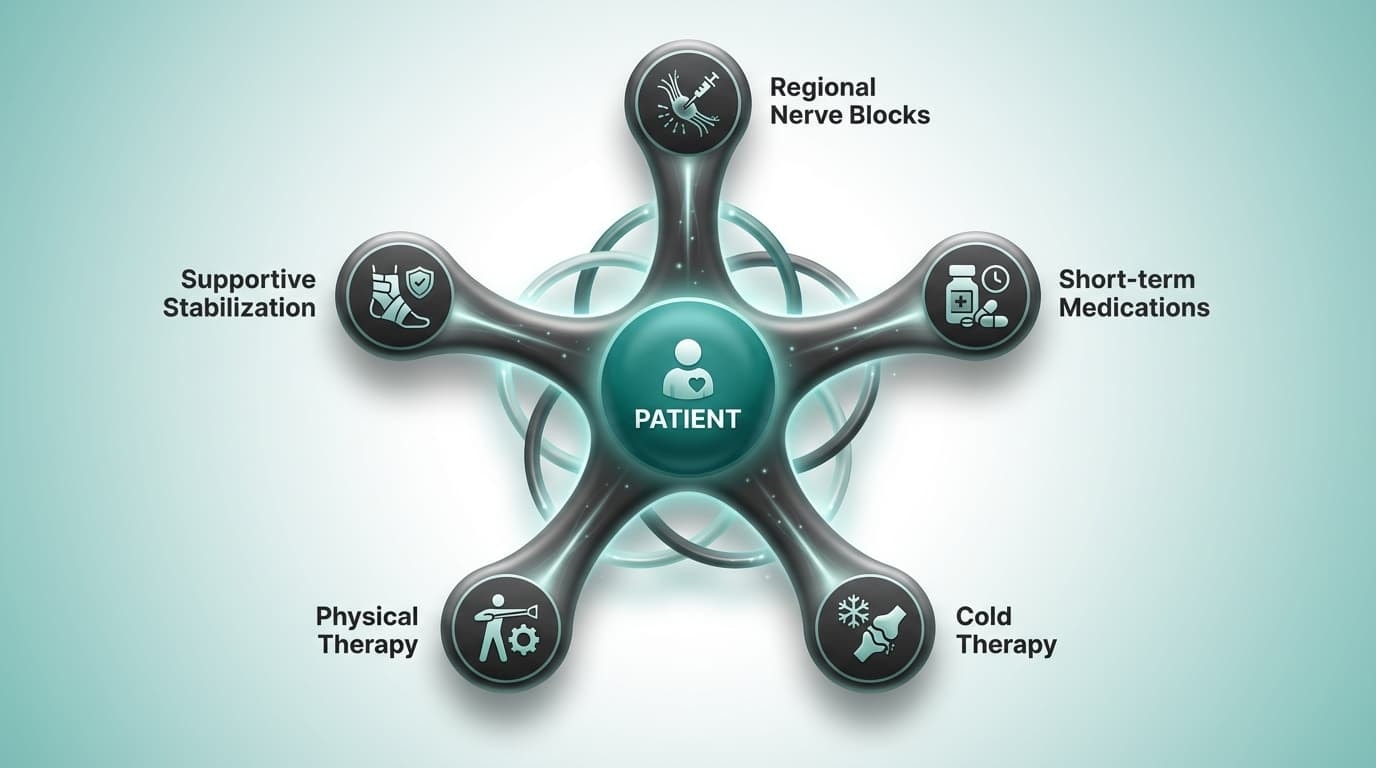
Pain management after total shoulder replacement is no longer about “pushing through” or relying on one solution. Today’s approach is structured, layered, and designed to reduce risk while supporting recovery.
The Multimodal Pain Management Model
Most surgical teams use several tools together, each targeting pain from a different angle:
1. Regional Nerve Blocks
Used around surgery to temporarily numb the shoulder and upper extremity. This significantly reduces early severe pain and lowers initial medication needs.
2. Short-Term Medications
A combination approach is common:
-
Non-opioid pain relievers for baseline control
-
Short-acting opioids are only for breakthrough severe pain
-
Early tapering to reduce side effects and dependency risk
The goal is relief, not long-term reliance.
3. Cold Therapy
Ice and cooling devices help manage swelling and pain signals in the early phases, especially after activity or physical therapy.
4. Physical Therapy
A physical therapist guides safe movement to restore range of motion, prevent stiffness, and reduce pain over time. Therapy isn’t about forcing motion; it’s about rebuilding tolerance.
5. Supportive Stabilization (Context-Dependent)
As people transition back to daily activity or training, some benefit from added external support. Tools like the Anaconda Shoulder Brace are often used during this phase, not to immobilize the joint, but to provide stability while movement capacity rebuilds.
That philosophy reflects how Anaconda approaches recovery as a whole. More than 300,000 athletes use Anaconda gear because it supports movement instead of restricting it, especially during return-to-activity phases when confidence and control matter.
Modern pain management is proactive, not reactive. It’s designed to:
-
Control severe pain early
-
Reduce medication exposure over time
-
Support movement instead of avoiding it
When pain management, surgical strategy, and recovery expectations align, most people move from severe shoulder pain to meaningful relief, without guessing their way through recovery.
When Pain Is Normal vs When It’s a Red Flag
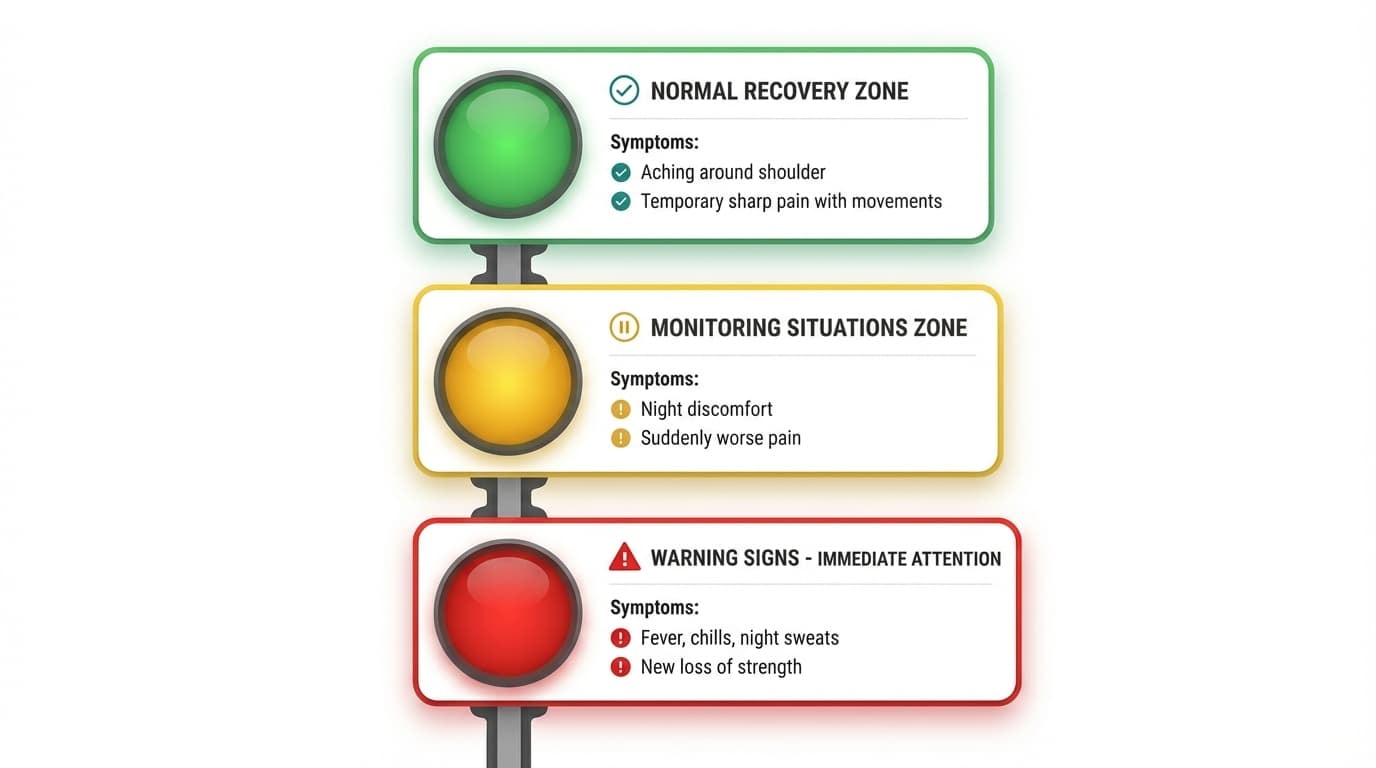
Some discomfort after shoulder replacement is expected. Knowing what is normal versus what needs attention helps you stay calm and act only when it truly matters.
What’s Expected Discomfort
Normal post-surgical pain often includes:
-
Aching or soreness around the shoulder, upper arm, or shoulder blade
-
Temporary sharp pain with certain movements or therapy sessions
-
Night discomfort or stiffness that fluctuates day to day
-
Muscle soreness in the shoulder as it adapts to new mechanics
This type of pain may feel frustrating, but it usually reflects healing tissues and changing load rather than damage.
Clear Warning Signs
Pain deserves closer attention if it:
-
Becomes suddenly worse after a period of improvement
-
Is paired with fever, chills, or night sweats
-
Comes with increasing redness, warmth, or drainage at the incision
-
Causes new loss of strength, sensation, or control in the arm
These signs do not automatically mean something is wrong, but they do mean it is time to check in.
When to Call vs Seek Urgent Care
Call your surgeon for new or steadily worsening pain, unexpected swelling, or loss of function.
Seek urgent care or emergency help for severe pain with fever, rapidly spreading redness, chest pain, or sudden neurologic symptoms.
Most post-operative concerns are manageable when addressed early. Reaching out is part of safe recovery, not an inconvenience.
Common Causes of Persistent or Worsening Pain
Lingering pain can feel discouraging, especially when recovery does not move in a straight line. The key reassurance is that ongoing pain usually has an identifiable cause, and most causes can be treated.
Mechanical Factors
Pain may come from how the joint and surrounding tissues are interacting, such as:
-
Stress around the implant or nearby structures
-
Muscle or tendon overload during rehabilitation
-
Stiffness that limits smooth shoulder movement
These issues are typically managed with targeted adjustments rather than major interventions.
Infection
Post-surgical infection is uncommon, but it can occur. Some infections develop slowly without dramatic symptoms, which is why ongoing pain paired with systemic signs is evaluated carefully.
Nerve-Related Pain
Irritation of nearby nerves can cause burning, tingling, or shooting sensations. This often reflects nerve sensitivity rather than permanent damage and usually improves with time and guidance.
Pain Referred From Other Areas
Not all shoulder pain originates from the shoulder joint. The neck, upper spine, or surrounding muscles can refer pain into the shoulder and arm, especially as movement patterns change after surgery.
A Reassuring Perspective
Persistent pain rarely means the surgery failed. More often, it means something specific needs adjustment, the shoulder is still adapting, or additional support is needed.
That is why follow-up care matters. In most cases, pain improves once the contributing factor is identified and addressed.
Living With a New Shoulder
Living with a new shoulder is less about reaching a final destination and more about regaining confidence. Shoulder joint replacement is meant to give you less pain and more freedom, but that freedom returns gradually as your body adapts. Understanding this early helps reduce frustration and keeps expectations grounded.
Recovery Is Gradual and Effort-Dependent
Recovery does not end when surgery is over. Even after general anesthesia and the early healing phase, muscles, tendons, and nerves continue adjusting around the new joint. This adaptation happens through repeated, controlled use rather than rest alone.
What matters most is consistency. Small, regular movements allow the shoulder to relearn coordination and load tolerance. Pushing too hard or avoiding movement altogether can slow progress, while steady engagement supports long-term recovery.
Progress Shows Up in Everyday Life
Recovery is best measured by how your shoulder supports everyday activities, not by perfection. Early improvements often appear in simple moments that feel meaningful.
-
Getting dressed without guarding the shoulder
-
Reaching for objects with less hesitation
-
Sleeping more comfortably through the night
These functional wins signal that the shoulder is becoming reliable again, even as strength and range of motion continue to improve.
Occasional Aches Are Normal
Some pain or stiffness may still appear, especially after longer days or unfamiliar movements. In most cases, this does not indicate damage or failure. It reflects muscles and connective tissues adapting to new demands and rebuilding tolerance around the joint.
As long as discomfort settles rather than escalates, these sensations are typically part of the adjustment process. Over time, they tend to become less frequent and less noticeable.
Support During Recovery
Recovery after shoulder replacement is guided by medical care and physical therapy. External support can play a small, optional role during certain stages, especially as you return to everyday movement and rebuild confidence.
Light support may help by:
-
Providing added stability during daily activity or low-load movement
-
Reducing hesitation without limiting the natural range of motion
The goal is support while moving, not immobilization.
This is where the Anaconda Shoulder Brace fits naturally. It uses targeted 3D compression that molds to the shoulder, offering steady support that stays in place during movement. The gentle compression helps stimulate circulation, delivering oxygen and nutrients to recovering tissues while supporting joint health.
Anaconda gear is athlete-tested and built with a movement-first design, shaped by real training and recovery demands rather than theory.
If extra support would help you feel more confident as activity increases, you can learn more about the Anaconda Shoulder Brace and decide if it fits your recovery plan.
Conclusion
Shoulder replacement surgery is not painless, but it is purposeful. The early discomfort that follows a new joint is part of the healing process, not a sign of failure. For most people, pain steadily fades as the ball-and-socket mechanics settle, muscles adapt, and the arm bone begins moving with confidence again. What replaces long-standing shoulder pain is not perfection, but progress that restores independence and quality of life.
Understanding what pain feels like, when it improves, and when other symptoms deserve attention removes fear from the process. Recovery works best when expectations are realistic, movement is consistent, and support is used wisely.
At Anaconda, we hear this from people who want their shoulder and elbow function back, not just a diagnosis. When movement starts to return, tools like the Anaconda Shoulder Brace can offer added confidence without restricting motion, supporting recovery while life moves forward.
FAQs
Quick answers to the most common shoulder replacement pain questions.
Is shoulder replacement more painful than rotator cuff repair?
For most patients, shoulder replacement causes less pain over time than rotator cuff repair. While early postoperative pain can feel similar, total shoulder arthroplasty is more likely to reduce pain once the healing process is underway. Many orthopaedic surgeons report fewer long-term night pain issues after joint replacement than after cuff repair.
How long will I need strong pain medication after a shoulder replacement?
Most patients use prescription pain medicine for a few days to two weeks, often supported by a nerve block or regional anesthesia from the recovery room. As tissues heal, many transition to non-opioid options and conservative treatments to relieve pain. The goal is to reduce pain safely while avoiding prolonged medication use.
When can I drive again without shoulder pain getting in the way?
Most patients can drive once they are off strong pain medication, out of the sling, and able to perform everyday activities safely. This commonly occurs around 4 to 6 weeks, depending on which arm bone was operated on. Clearance should always come from your surgeon, not pain alone.
Will physical therapy make my shoulder pain worse?
Physical therapy may cause temporary soreness, but it is designed to reduce pain over time, not increase it. Mild pain that settles within hours is expected as connective tissue adapts around the new joint. Patient education helps distinguish normal discomfort from warning signs that need adjustment.
What if my shoulder still hurts a lot six months after surgery?
Mild pain with heavy use can be normal, but persistent moderate or severe pain is not typical after joint replacement. Your surgeon may assess the artificial joint, check X-rays for implant loosening, and rule out infection or nerve-related causes. Most causes of ongoing pain in the glenohumeral joint are identifiable and treatable with proper evaluation.


