


Shoulder injury recovery ranges from 2–6 weeks for mild AC joint sprains to 18–24 months for adhesive capsulitis (frozen shoulder). While soft tissue strains often resolve within a month, rotator cuff surgeries typically require 6–9 months for full tendon-to-bone integration and biological maturation.
Some shoulder sprains improve within a few weeks. Others, like frozen shoulder or post-surgical recovery, may take several months or even longer to fully resolve — and understanding how long muscle injuries take to heal can help you set realistic expectations and stay on track.
This guide will walk you through what to expect at each stage:
-
Typical healing timelines for common injuries
-
What “healed” really means beyond just pain relief
-
How physical therapy and smart exercises can help
-
When surgery may be part of the recovery path
-
Day-to-day strategies to support healing
At Anaconda, we’ve helped over 300,000 athletes recover, train, and return to doing what they love. You’re not alone in this process. With the right tools and a clear plan, your shoulder can get stronger and more stable over time.
Key Takeaways
-
Most everyday shoulder injuries start improving within 2 to 6 weeks, but full recovery can range from a few weeks to over a year depending on your exact diagnosis.
-
Mild acromioclavicular joint sprains may settle in 1–3 weeks, while conditions like frozen shoulder can last 1–3 years even with appropriate care.
-
“Healed” can mean different things: pain relief, tissue healing on imaging, or full return to work and sport often have different timelines.
-
Key modifiers of healing time include injury type and grade, age, job or sport demands, and whether surgery is needed.
-
Early, guided movement and a tailored rehab plan usually speed recovery and reduce the risk of long-term stiffness.
How Long Do Shoulder Injuries Take To Heal? (Short Answer)
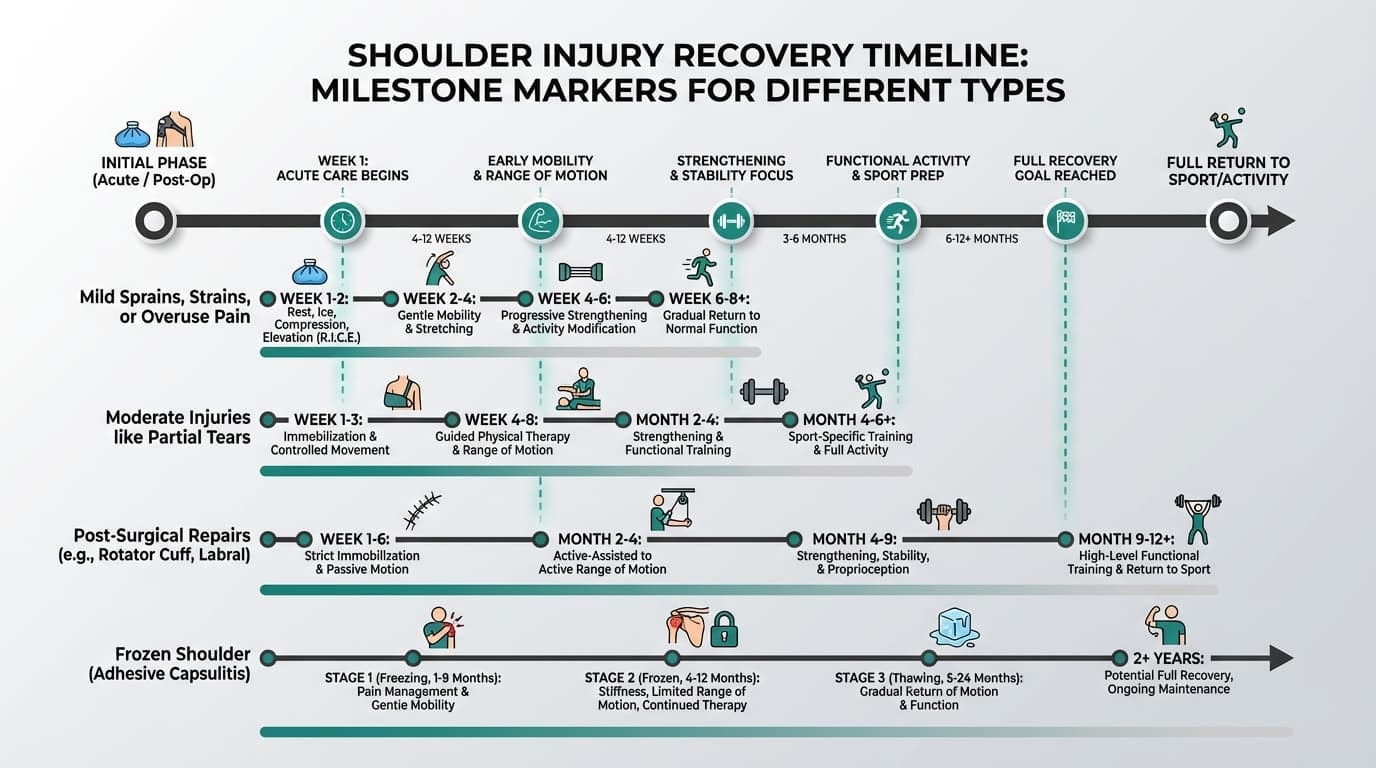
Clinical recovery timelines vary by tissue depth: superficial muscle strains typically resolve in 1–3 weeks, while deep labral cartilage tears often require 4–6 months due to limited vascular supply.
Here’s a quick breakdown:
-
Mild sprains, strains, or overuse pain: You may feel better within 1 to 3 weeks, with near-normal function by 4 to 6 weeks.
-
Moderate injuries like partial tears or higher-grade sprains: Often take 6 to 12 weeks or longer to resolve.
-
Post-surgical repairs (rotator cuff, labrum, or shoulder stabilization): Typically require 4 to 9 months to return to full activity.
-
Frozen shoulder: Commonly lasts 1 to 2 years and may persist up to 3 years in some cases.
These estimates are based on clinical averages. Your individual recovery may vary depending on factors like age, activity level, treatment plan, and how early you start rehab.
If your pain lasts longer than expected, suddenly worsens, or is accompanied by instability, consult a doctor or physiotherapist rather than waiting it out.
What Does “Healed” Actually Mean For A Shoulder Injury?
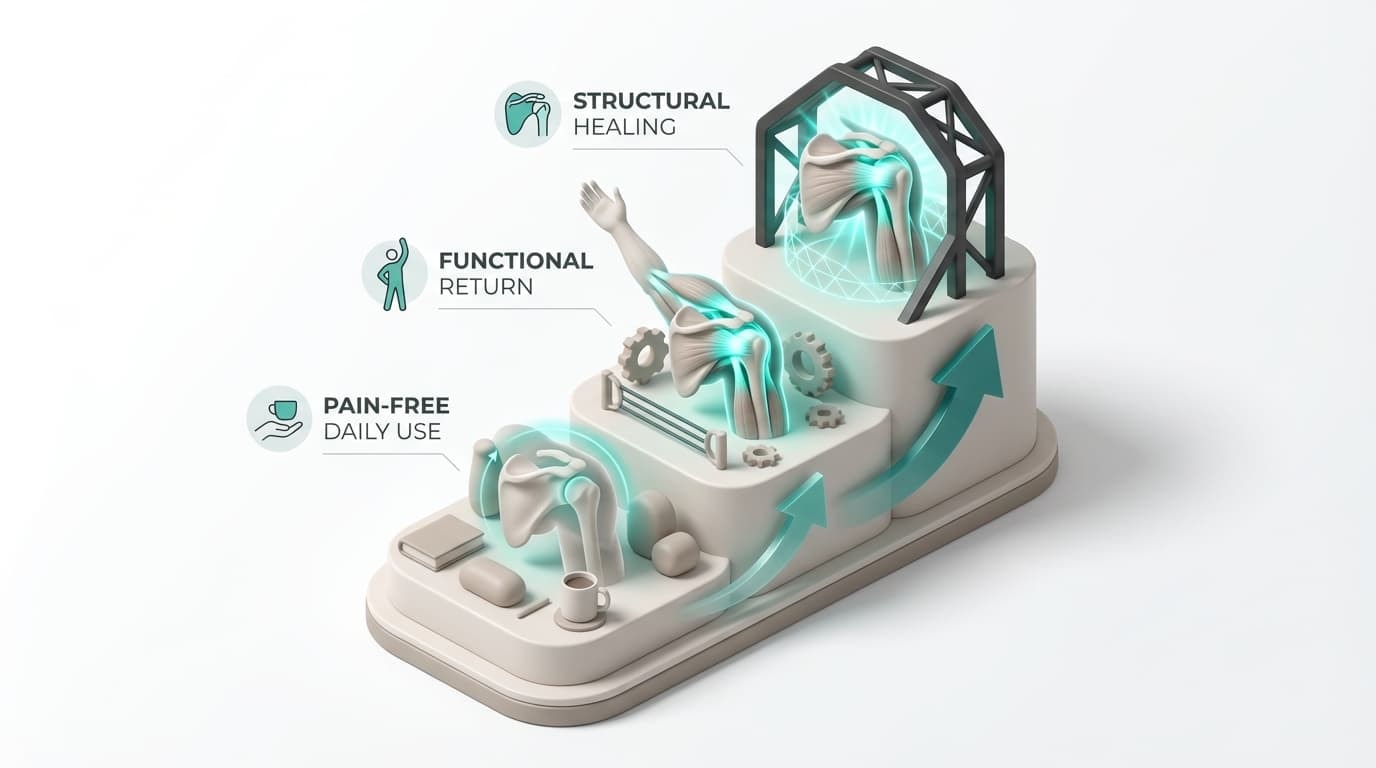
When someone says their shoulder is "healed," it can mean a few different things depending on the stage of recovery. Healing doesn't happen all at once. There are several important phases to understand, especially if you're trying to avoid setbacks.
1. Pain-Free Daily Use
This is usually the first milestone. It means you can do everyday tasks like reaching for items, putting on clothes, or sleeping comfortably without pain. Many people reach this point before their shoulder is fully healed.
2. Functional Return
This refers to getting back to regular activities such as work, parenting, exercise, or sports. Even when discomfort fades, your shoulder might still be rebuilding strength, stability, and range of motion. Returning to heavier tasks often takes more time than regaining comfort during daily use.
3. Structural Healing
This is the deeper tissue repair happening inside the joint. For example, after rotator cuff surgery, the tendon must reattach and mature. This biological healing often takes longer than the pain suggests. Imaging may confirm progress, but just because the shoulder feels better does not mean the tissues are ready for full strain.
What Is the Healing Timeline for Common Shoulder Injuries?
If you're dealing with a shoulder injury, it's normal to wonder how long it will take to feel like yourself again. The short answer is: it depends on your specific injury, how severe it is, and how your body responds to treatment.
Below, you'll find realistic healing timelines for the most common shoulder problems, including both non-surgical and surgical cases. These are averages based on research and clinical experience, but your individual progress may be faster or slower.
AC Joint Sprains (Grade 1 to 3)
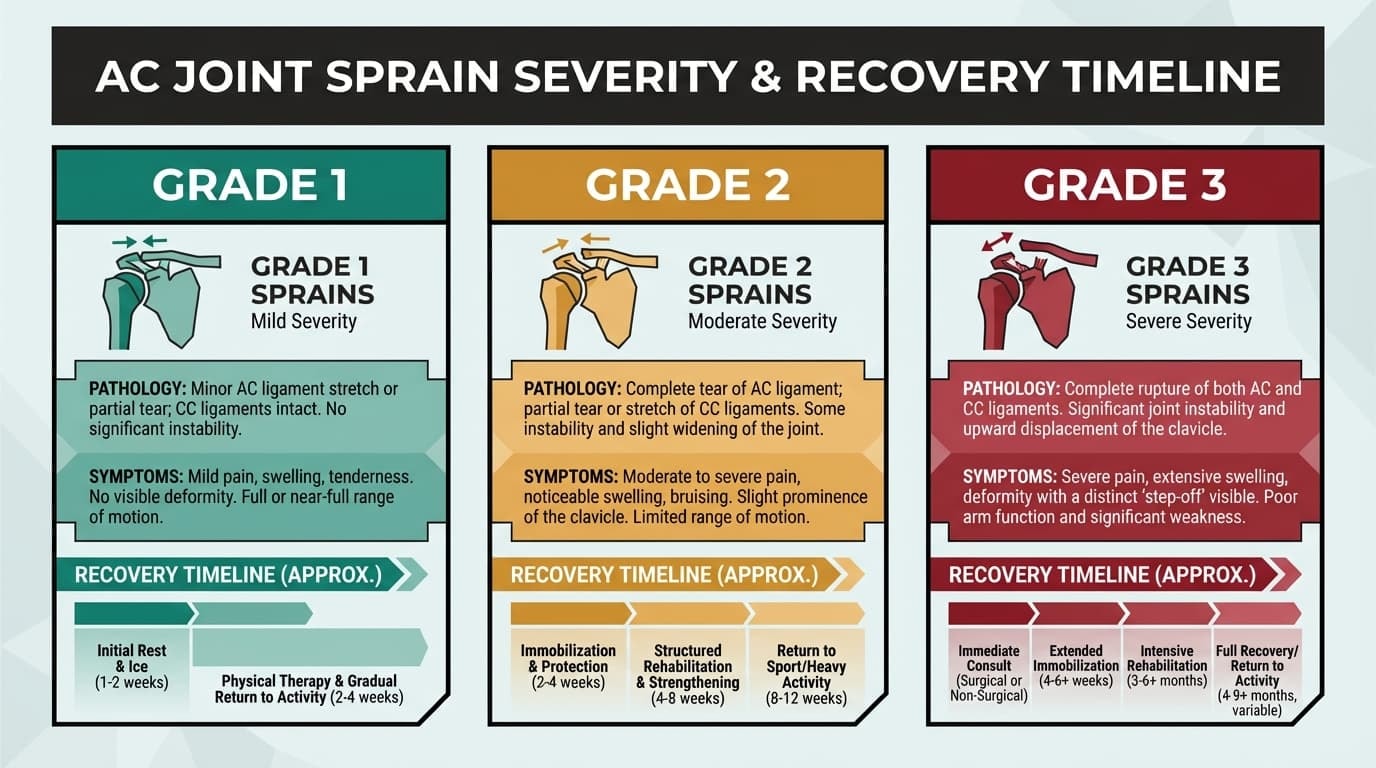
An AC joint sprain happens where your collarbone connects to your shoulder blade. It’s common in falls or contact sports.
-
Grade 1: Most people feel better within a few days. You can usually return to normal activity within 2 to 3 weeks.
-
Grade 2 Sprains, involving a complete tear of the acromioclavicular ligament but an intact coracoclavicular ligament, typically require 4–6 weeks for fibrous scar tissue formation.
-
Grade 3: This is a more serious injury. You may need a sling for up to 6 weeks. Some cases require surgery, especially if the joint remains unstable.
A 2024 study published in the National Library of Medicine () demonstrated that early mobilization at 6 weeks reduced return-to-sport time by 22% compared to prolonged immobilization.
Rotator Cuff Related Shoulder Pain (Without Surgery)
Rotator cuff related pain often comes from overuse, posture issues, or aging. Rotator Cuff Tendinopathy accounts for approximately 70% of all shoulder pain cases, primarily driven by subacromial impingement and age-related tendon degeneration.
-
With consistent physical therapy, most people improve within 6 to 12 weeks.
-
Noticeable pain relief can begin as early as 2 to 4 weeks.
-
People with overhead work or sports often need several additional months of gradual strengthening.
Consistency matters more than the type of exercise. You don’t need fancy routines—just stick with the plan.
Rotator Cuff Tear After Surgery
If your rotator cuff was torn and repaired with surgery, your recovery will follow specific stages.
-
Weeks 1 to 6: Your arm will usually be in a sling. Movement will be limited to passive range only.
-
Weeks 6 to 8: You’ll begin gentle active movement and light daily activities.
-
Months 3 to 6: This is when progressive strength training begins.
-
Around month 6: Many people return to work or sport, especially if their job doesn’t require heavy lifting.
If your dominant arm was injured, or your job involves physical labor, recovery may take longer. Let your surgeon or therapist clear you before returning to full activity.
Frozen Shoulder (Adhesive Capsulitis)
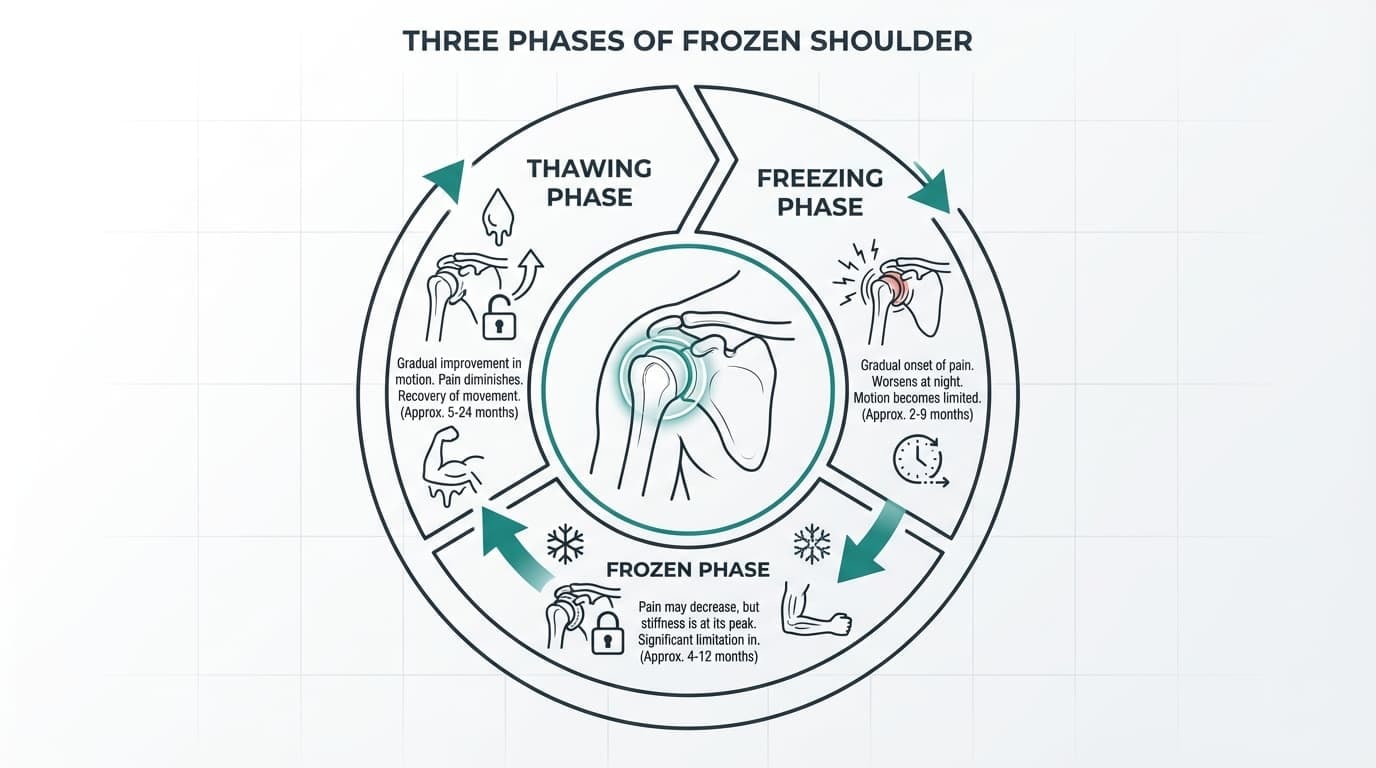
Frozen Shoulder (Adhesive Capsulitis) is a localized inflammatory condition where the glenohumeral capsule thickens and contracts. The recovery trajectory is biologically fixed into three distinct stages:
-
Freezing phase (2 to 9 months): Pain worsens and your shoulder becomes stiffer.
-
Frozen phase (4 to 12 months): Pain may improve but stiffness remains.
-
Thawing phase (12 to 24 months): Range of motion starts to return.
While frozen shoulder can take up to 2 or 3 years to fully resolve, most people improve significantly with stretching and physical therapy. You don’t have to just wait it out; gentle movement and guided rehab help maintain what motion you have and ease pain.
Shoulder Instability and Dislocation
Instability happens when the shoulder joint becomes loose, often after a dislocation. This is common in younger athletes or after trauma.
-
First-time dislocation without surgery: Many people regain basic function in 6 to 12 weeks, but the risk of re-dislocation stays high in younger or active individuals.
-
After surgical stabilization: Recovery usually takes 4 to 6 months for general return to sport. Contact or overhead sports may need up to 8 months.
Even if things look good on a scan, strength and control take time to rebuild. Stick with your rehab plan to reduce the risk of re-injury.
SLAP Tears (Superior Labrum)
A SLAP tear involves the cartilage ring at the top of the shoulder joint, often near where the biceps tendon attaches.
-
Non-surgical rehab: With a full program, many people return to sport in 3 to 6 months. People who complete rehab fully tend to do better than those who stop early.
-
After surgery: The first few weeks require sling use and protection. Most people get back to activity within 6 months, but throwing athletes may need closer to 9 months.
Whether you go through rehab or surgery, patience and commitment are key. Don’t base progress only on pain levels; your tissues may still be healing even when it feels better.
What Biological Factors Influence Shoulder Healing Speed?
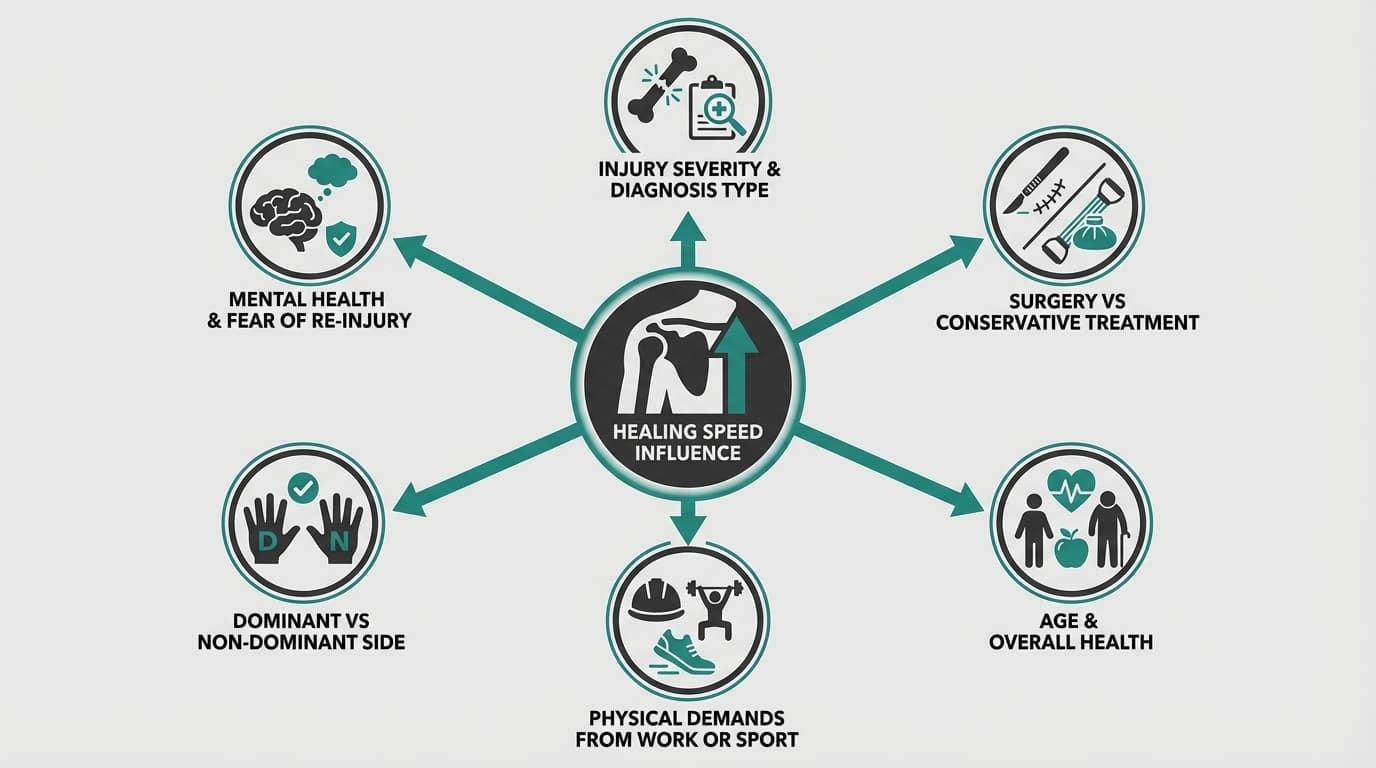
Not every shoulder heals at the same pace. Even with the same diagnosis, your recovery timeline can vary depending on a range of personal and medical factors. Understanding what influences healing can help you stay realistic, patient, and proactive.
1. Injury Severity and Diagnosis Type
A mild sprain or overuse injury can begin improving in a matter of weeks. But deeper issues like rotator cuff tears, labral damage, or frozen shoulder can take months or even years to fully resolve.
For example:
-
Grade 1 AC joint sprain: return to activity in about 3 weeks
-
Post-surgical rotator cuff repair: return to work in about 6 months
-
Frozen shoulder: may last 1 to 3 years, even with treatment
The more complex the injury, the longer your body typically needs to heal.
2. Surgery vs Conservative Treatment
Surgery often involves a longer initial recovery with more restrictions, such as sling use or limits on movement. However, it may allow for more complete repair in the long run. Non-surgical options like physical therapy are often just as effective for many sprains, overuse issues, and some partial tears.
Studies show that completing a full physical therapy program for SLAP tears leads to better return-to-play rates than surgery in many cases.
3. Age and Overall Health
Senescent cells in older adults produce less collagen type I, and reduced microvascular circulation significantly decelerates the proliferative phase of tendon repair.
These factors reduce blood flow, impair collagen production, and delay tissue remodeling. Frozen shoulder is especially known to last longer in people over 50 or those with metabolic conditions.
4. Physical Demands from Work or Sport
Jobs or sports that involve heavy lifting, overhead movement, or high-impact contact usually require a longer recovery. Someone who works at a desk might return to full duties in weeks, while a contractor or athlete might need months of gradual rehab to avoid re-injury.
5. Dominant vs Non-Dominant Side
Injuries to the dominant arm are typically more limiting and require more recovery time, especially if you rely heavily on that arm for daily tasks, driving, or work.
6. Mental Health and Fear of Re-Injury
Anxiety, depression, or fear of pain can make recovery slower. People who are nervous about moving their shoulder often avoid necessary rehab or keep the arm guarded. Studies show that confidence and a positive outlook are linked with better outcomes, especially after surgery or dislocations.
What To Expect Week-By-Week In The First 3 Months
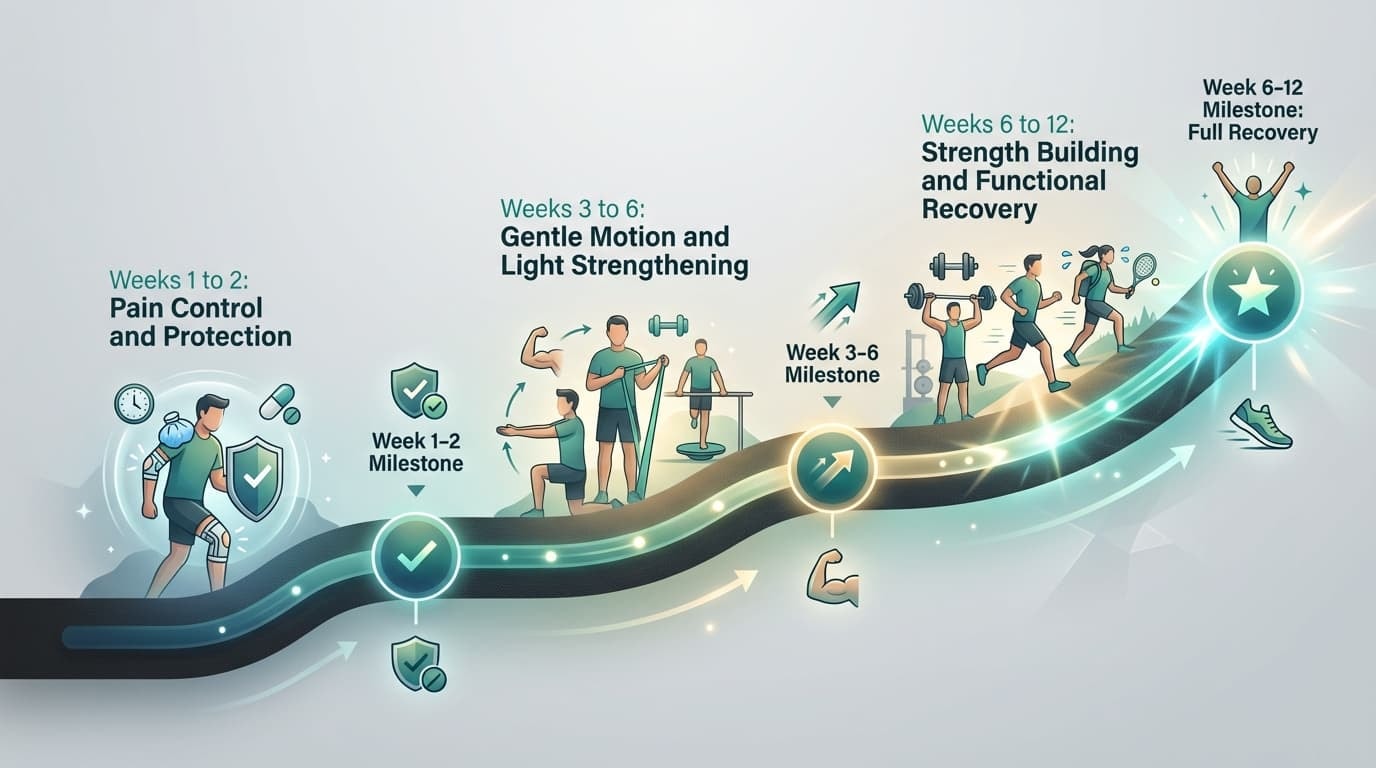
If you've recently injured your shoulder or are starting recovery after surgery, you're probably wondering how healing will unfold. While every recovery is unique, most shoulder injuries like mild sprains, tendinopathy, and early post-op cases, tend to follow a general pattern over the first 12 weeks.
Weeks 1 to 2: Pain Control and Protection
The focus in the first two weeks is calming inflammation, reducing pain, and protecting the shoulder from further injury. Rest is important, but complete immobility is usually not advised unless specifically recommended.
Here’s what typically helps during this early phase:
-
Cryotherapy: Apply cold packs for 15 minutes to vasoconstrict blood vessels and limit inflammatory effusion.
-
Pharmacology: Administer NSAIDs to mitigate prostaglandin production and pain signaling.
-
Immobilization: Rest the joint in a neutral position to prevent mechanical stress on the healing collagen matrix.
Gentle movement can help prevent joint stiffness and frozen shoulder. Research supports early range-of-motion activity to preserve function, even during the protection phase.
Weeks 3 to 6: Gentle Motion and Light Strengthening
As pain begins to improve, the next step is restoring basic mobility and light strength. Most people in this phase begin to feel more confident with everyday tasks, but it’s still important not to rush.
Recommended approaches include:
-
Begin guided range-of-motion exercises to improve flexibility
-
Add light strengthening exercises for the shoulder blade and surrounding muscles
-
Gradually return to daily tasks like grooming, cooking, or dressing
-
Avoid pushing through pain, swelling, or fatigue
Studies show that supervised or structured home-based exercise programs during this time can significantly improve shoulder function. Consistency is more important than intensity at this stage.
This is often when people with sprained shoulders or overuse injuries notice real progress.
Weeks 6 to 12: Strength Building and Functional Recovery
By this stage, the goal is to build resilience and prepare the shoulder for more demanding tasks. This could include a return to work, sport, or heavier household activities.
Expect your rehab to include:
-
Progressive strengthening using resistance bands or light weights
-
Coordination and posture training to support the shoulder joint
-
Sport- or job-specific drills based on your personal goals
-
Monitoring for signs of overload, like new pain or swelling
After surgery, this is usually the period when active movement and resistance training begin. Physical therapy often progresses from basic mobility to more dynamic strength exercises.
Temporary soreness is common as activity increases. As long as discomfort fades within a day or two, it’s a normal part of the healing process.
Which Treatments Accelerate Shoulder Tissue Repair?
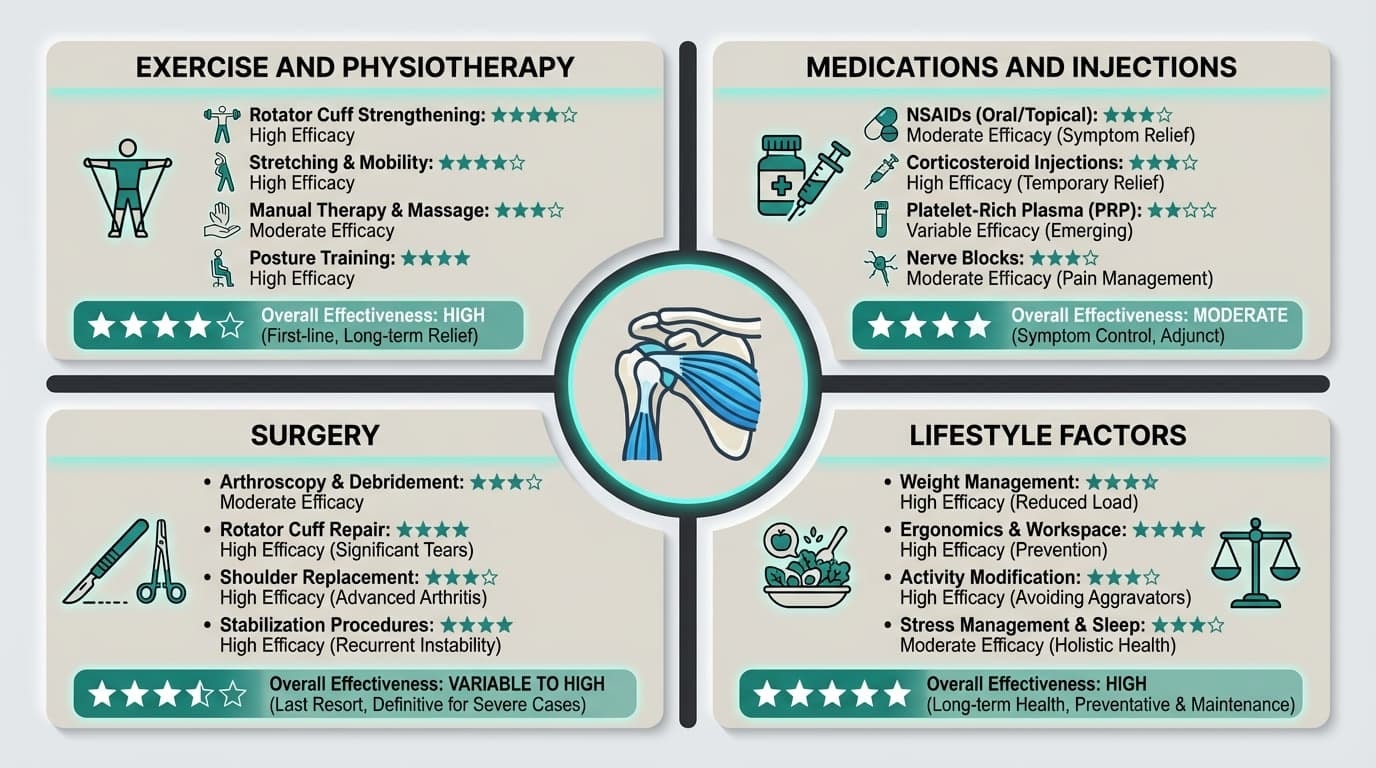
Getting the right treatment early can make a major difference in how quickly shoulder injuries heal and how well your shoulder functions long-term. Depending on the injury type and severity, treatment may involve a mix of movement, medication, or even surgery. Here's what you need to know.
Exercise and Physiotherapy
For most non-surgical injuries like rotator cuff–related pain, mild sprains, or shoulder instability, a structured exercise program is the foundation of recovery. These programs typically run for 6 to 12 weeks and focus on motion exercises, strengthening exercises, and functional movement.
-
Clinical studies show that consistent physiotherapy sessions over 6 to 12 weeks lead to significant improvements in pain, strength, and range of motion.
-
There is no perfect one-size-fits-all routine. What matters most is following a plan tailored to your injury and sticking with it.
-
Don’t start your own strenuous exercises without guidance. Pushing too hard early can aggravate swelling and delay healing.
Trust your physio and don’t be discouraged by slow progress in the beginning. Most shoulder injuries begin improving within a few weeks, especially with active treatment.
Medications and Injections
For some injuries, especially in the early stages, anti-inflammatory medications (NSAIDs) like ibuprofen or naproxen can help reduce pain and swelling. Always follow your doctor or pharmacist’s instructions, especially if you have other health conditions.
Steroid injections may be offered in certain cases, such as severe sprains or persistent pain from tendinopathy. However, they come with some risks.
Studies show that corticosteroid injections into the shoulder tendons can reduce tissue strength temporarily. Repeated injections or high doses may increase the risk of a partially torn tendon becoming a full-thickness tear.
Use injections cautiously and only when clearly indicated by your healthcare provider. They are not a long-term fix.
Surgery
Surgical intervention is sometimes required for shoulder injuries that do not respond to conservative treatments. This includes:
-
Full-thickness rotator cuff tears
-
Recurrent shoulder dislocations
-
SLAP tears in athletes
-
Severe cases of frozen shoulder
-
A broken bone or badly swollen joint that does not align
While surgery often brings long-term benefits, it usually comes with a longer early recovery time. You may need to use a sling, attend regular physiotherapy, and limit movement for weeks or months.
Post-surgery healing typically takes 4 to 9 months, and returning to full sport or heavy work may take even longer. The Anaconda Shoulder Brace is a helpful support tool during this period, especially for post-operative recovery or shoulder instability. It provides secure stabilization while still allowing controlled motion, something both physios and surgeons look for in a reliable brace.
Trusted by rehab professionals and used in post-surgical protocols, the Anaconda Shoulder Brace helps protect your healing shoulder while you stay mobile.
Lifestyle Factors That Influence Recovery
Healing does not happen in isolation. Your overall health plays a big role in how well your shoulder recovers. Here are habits that can either speed or slow recovery:
-
Sleep: Aim for 7 to 9 hours per night. Tissue repair and hormone regulation depend on good sleep.
-
Protein intake: Supports tendon and ligament healing, especially after shoulder strains or surgery.
-
Blood sugar control: Diabetes or high glucose levels are linked to delayed recovery and higher complication rates.
-
Alcohol and smoking: Both reduce blood flow and slow down tendon repair. Avoid or minimize them if possible.
-
Stress: High stress or anxiety can increase muscle tension and worsen pain sensitivity.
When to Worry: Red Flags and “Slow” Recovery
It’s normal to wonder whether your recovery is on track, especially if you’re still dealing with discomfort after several weeks. Here's when to act and when to stay patient.
Urgent Signs That Need Immediate Attention
Call your doctor or visit a clinic if you experience:
-
A sudden traumatic injury with visible deformity
-
Severe pain and weakness that appears after a fall
-
A shoulder that has changed shape suddenly
-
Numbness or tingling in the arm or hand
-
Significant swelling, redness, or warmth—this could be a sign of infection
-
Loss of hand function or grip strength
-
Shoulder pain that starts suddenly and gets worse at night
These symptoms may indicate a fracture, nerve injury, infection, or severe sprain. Prompt diagnosis can prevent complications.
When to Reassess Your Recovery Plan
Not every slow recovery is a red flag, but if you’ve followed your treatment plan and still have little improvement, it may be time to get re-evaluated.
-
If there is no meaningful progress after 4 to 6 weeks, especially in pain, motion, or strength
-
If your shoulder is still extremely stiff or swollen despite physical therapy
-
If new pain or instability develops after an initial improvement
This doesn't necessarily mean something is wrong, but your rehab approach might need adjustment.
Reassurance for Slow Healers
Some conditions, like frozen shoulder or post-surgical stiffness, take months to resolve. Even then, recovery is not always linear—many people plateau for a few weeks before improving again.
Don’t compare your timeline to someone else’s. Factors like age, severity, comorbidities, and dominant arm involvement all influence recovery time.
Daily Habits That Support Healing
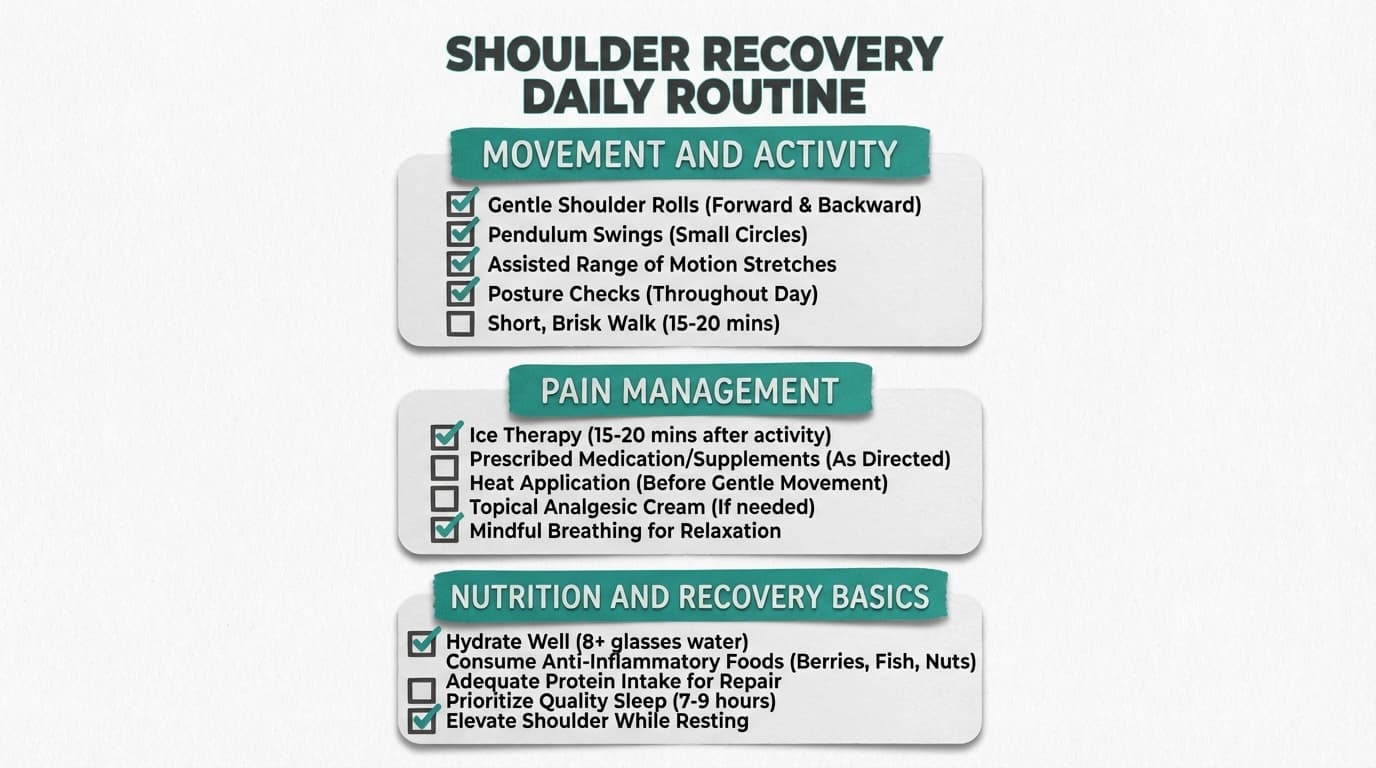
Your day-to-day habits have a real impact on how your shoulder heals. Even small adjustments can promote faster healing and reduce the risk of re-injury. These are the areas where you can take action right now:
Movement and Activity
To protect your shoulder without losing valuable mobility:
-
Keep the shoulder gently moving within a pain-free range unless advised otherwise
-
Avoid overhead movements or heavy lifting early on
-
If your job is physically demanding, request temporary modifications
-
For athletes, consider cross-training with lower-body and core exercises
Staying active without aggravating the injury supports circulation and joint mobility.
Pain Management
When managing pain, combine comfort strategies with caution:
-
Use cold packs for 10 to 15 minutes at a time to ease pain and reduce swelling
-
Take anti-inflammatory medications only if cleared by your doctor
-
The best painkiller depends on your individual case, so check with a professional before starting new medications
-
Avoid relying solely on medication. Combine rest, therapy, and movement
Nutrition and Recovery Basics
To give your body the internal tools it needs to heal:
-
Eat enough protein to support tissue healing
-
Sleep 7 to 9 hours a night to aid recovery
-
Cut down on smoking and alcohol, as they interfere with healing hormones and blood flow
-
Manage stress. Chronic tension can worsen neck and shoulder pain
Sticking to these simple strategies makes a big difference in recovery time, especially for common injuries like sprained shoulders or overuse pain. If you need support through your rehab, tools like the Anaconda Shoulder Brace can help you maintain safe movement while avoiding setbacks.
Final Thoughts
Shoulder injuries heal at different rates, but most people improve with the right care and steady habits. Whether you have a mild sprain or are recovering from surgery, having clear expectations and following a guided plan can make a real difference.
Gentle movement, quality rest, and consistent physiotherapy help support faster healing. Just remember, healing is not only about pain going away. It also includes restoring strength, motion, and confidence in your shoulder.
If pain is severe or not improving after a few weeks, speak with a healthcare provider. Early adjustments to your treatment plan often lead to better results.
Need extra support while you recover? The Anaconda Shoulder Brace is designed for comfort and mobility, helping you stay active without risking setbacks.
Stay consistent, listen to your body, and take each step with patience. With the right support, healing is possible.
FAQs
Quick answers to common questions about healing time, safe movement, and when to seek help.
Can I speed up my shoulder injury recovery, or is the timeline fixed?
While you cannot change how fast tissues biologically remodel, you can usually shorten the time to functional recovery. Starting guided rehab early, moving regularly within pain limits, and avoiding both repeated overload and complete rest all help. Consistent adherence to a tailored exercise program over at least 6–12 weeks is often more effective than any single “quick fix.”
How do I know if my shoulder is ready to return to sport or heavy work?
Readiness usually involves several criteria: near-full, pain-tolerable range of motion; strength within roughly 80–90% of your uninjured side; good control during overhead or load-bearing tasks; and confidence in the shoulder during sport-specific movements. Formal clearance from a physiotherapist or surgeon is wise after surgery or serious injuries before resuming contact or overhead sports.
Is it normal for my shoulder to still hurt months after an injury?
Lingering discomfort for several months can be normal with conditions like frozen shoulder, rotator cuff tendinopathy, or post-surgical rehab—especially with heavier use. Seek review if pain is worsening, interfering with sleep despite treatment, or accompanied by new weakness, instability, or red-flag symptoms.
Will a shoulder injury always show up on an X-ray or MRI?
Many common issues (like tendinopathy or minor sprains) may not be obvious on X-ray, which mainly shows bones. MRI can show detailed soft-tissue changes but is not always needed for diagnosis or to guide early treatment. You shouldn’t try to self diagnose based on imaging alone—rely on a clinical assessment plus imaging when appropriate to determine severity and expected recovery time.
Can I keep training the rest of my body while my shoulder heals?
Staying active with lower-body, core, and cardio training is usually safe and even helpful, as long as exercises do not stress the injured shoulder or contradict post-operative instructions. Common sports injuries shouldn’t mean you completely stop physical activity. Discuss specific exercise choices with a physiotherapist or trainer familiar with your diagnosis and stage of healing.


