


Knee pain can stop you in your tracks. Whether it's from injury, surgery, or arthritis, protecting your knee during recovery is key to proper healing. With the variety of support options available on the market, finding the right one is essential.
More than 6.6 million knee injuries were reported in U.S. emergency rooms over a ten-year span. That’s a lot of knees needing support.
The right knee brace can reduce pain, protect healing tissue, and speed up recovery. But not every brace fits every need.
This guide will help you find the best knee brace for rehabilitation based on your stage, injury, and goals.
Key Takeaways
-
Choosing the right knee brace for your recovery phase is key. Over 6.6 million knee injuries were reported in US emergency rooms in a decade, showing just how common proper support is needed.
-
A 2024 study found that post-surgery patients who wore braces had better early stability without losing muscle strength, making bracing especially helpful in the first six weeks.
-
Proper fit matters. A brace that is too tight can cause swelling or numbness, while a loose brace may slip and fail to provide the support your knee needs.
-
Skipping your brace during activity or wearing it incorrectly can delay recovery. Always align hinges with your joint line and fasten straps to allow for good circulation.
How Knee Braces Help Recovery: More Than Just Support
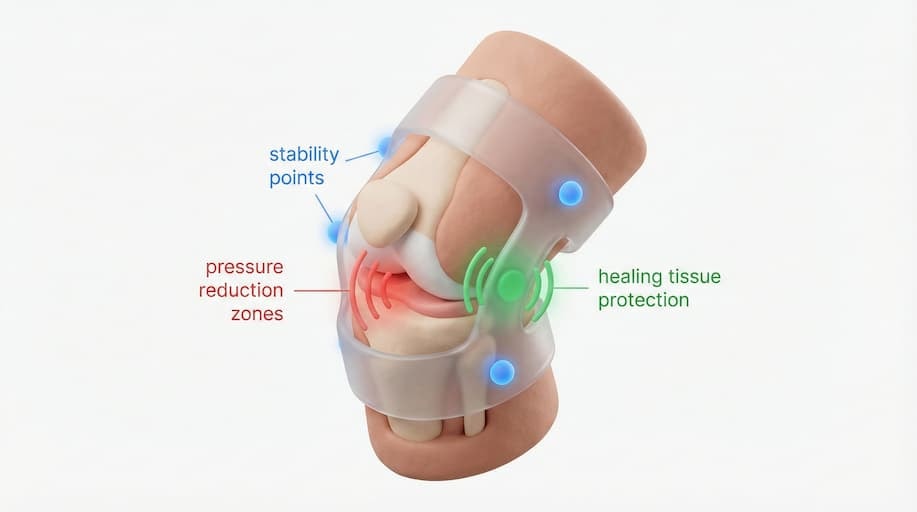
After a knee injury or surgery, the hardest part isn't always the pain. It's learning to trust your knee again. That’s where a brace can make a real difference.
Knee braces help recovery by keeping the knee joint stable when it matters most. They reduce pressure on healing tissue, limit risky movement, and provide support during rehab. A good hinged knee brace with adjustable straps can give you the control and confidence to move safely.
But braces aren't always needed. A 2024 study in the Asia-Pacific Journal of Sports Medicine examined individuals recovering from ACL surgery. It found no long-term difference between those who wore a brace and those who didn’t. In some cases, relying on a brace for too long may slightly lower activity levels.
The takeaway is simple. Knee braces can be a powerful tool, especially early in rehab or during high-stress movements. The key is knowing when to use them and choosing the right one for your recovery.
Up next, we’ll look at the different types of knee braces and which one fits your phase of healing.
How to Choose the Best Knee Brace for Your Injury and Recovery Stage
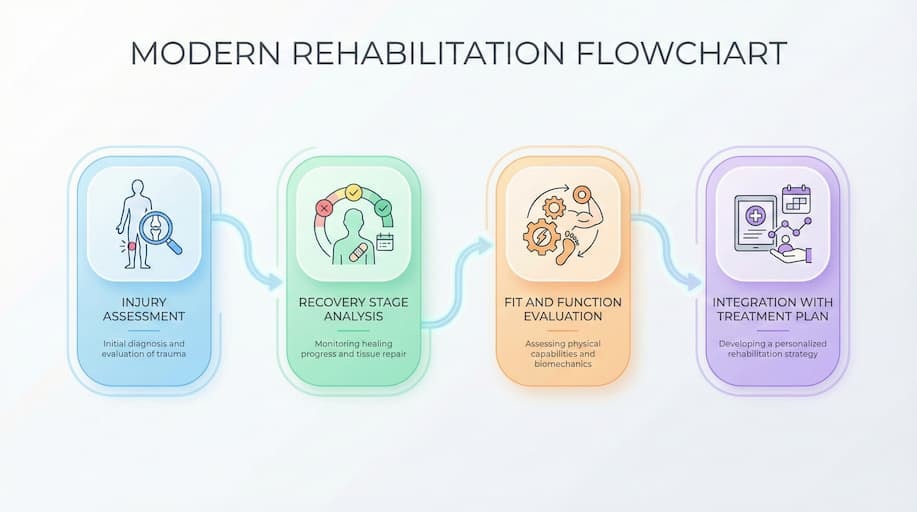
Choosing the best knee brace starts with understanding your injury and your recovery status. It’s not about guessing or buying the most expensive option. It’s about finding a brace that gives you the right knee support for your current needs.
Step 1: Understand Your Injury
Start with the root cause.
-
If you’ve had a torn ligament or knee surgery, you may need a brace that controls movement and supports the affected joint
-
If you're dealing with chronic knee pain, arthritis, or swelling, look for medical-grade compression to help reduce pain and inflammation
-
For mild knee instability, a softer brace with light support can help you stay active without stressing your knee
Step 2: Know What Your Knee Needs Right Now
Not every stage of recovery needs the same brace.
-
Early healing usually needs stability and protection
-
Mid recovery focuses on regaining the range of motion and building strength
-
Long-term management is about staying active and managing knee pain
Before choosing a brace, ask yourself if your goal is to limit motion, reduce swelling, or support your knee during movement. We’ll break this down in detail later.
Step 3: Focus on Fit and Function
Look for features that match your situation.
-
A hinged brace offers more structural support for serious injuries
-
Compression sleeves help with chronic pain and joint stiffness
-
Adjustable straps are helpful if your knee swells throughout the day or during activity
Make sure the brace fits well. A poor fit can limit progress or cause discomfort.
Step 4: Use It as a Tool, Not a Crutch
Even the best knee brace should be part of a bigger recovery plan.
Support is helpful, but it is most effective when combined with physical therapy, strength training, and proper movement patterns. A brace can protect your knee, but it should not replace the work your body needs to do.
Best Knee Braces by Rehab Phase: From Surgery to Full Recovery
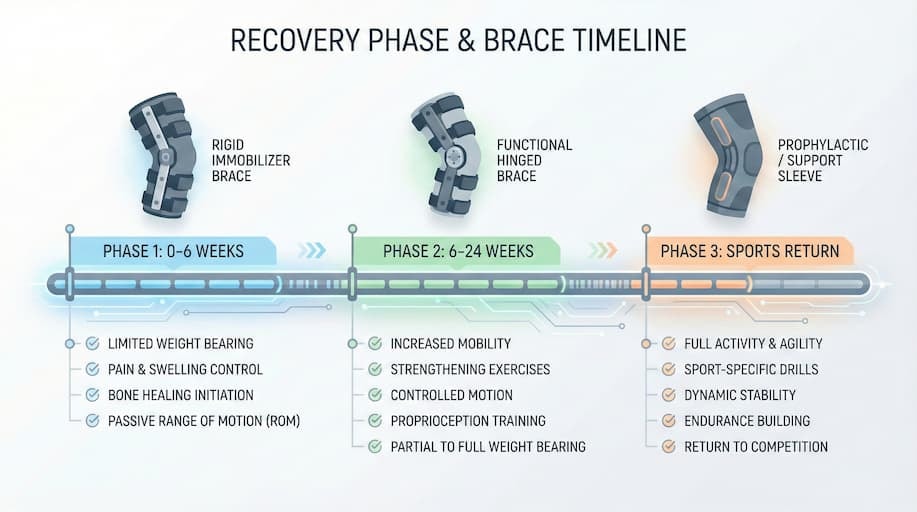
Knee braces are not meant to be used the same way at every stage of recovery. As your knee heals, its needs change. The best results come from choosing a brace that matches your knee's safe handling capacity at each phase.
Below is a clear breakdown of the best knee braces by rehab phase, based on research and real recovery timelines.
Top Post-Op Knee Braces for Weeks 0–6 After Surgery
The first six weeks after surgery are about protection. Your knee is healing, and the goal is to keep it stable while the tissues repair.
During this phase, rigid braces are commonly used. These braces limit bending and straightening to prevent the knee from moving in unsafe ways. This helps protect healing ligaments and supports early movement without stressing the repair.
A 2024 randomized controlled study followed patients after ACL surgery. It found that people who wore a brace and those who did not had similar long-term recovery. However, braces helped control early instability and did not increase muscle loss when used for the short term.
A clinical review from SOGACOT supports the use of locked braces for the first 4 to 6 weeks, then gradually unlocking them as healing progresses.
What to look for in this phase:
-
Locking hinges to control movement
-
Velcro straps for a secure fit
-
Padding to reduce skin irritation during long wear
-
A design that supports the healing process
These braces provide maximum support when your knee needs protection the most. Choosing the right support during each phase of recovery is critical — our range of rehabilitation-focused knee braces for injured athletes includes options suited to both early-stage protection and return-to-sport stability.
Top Post-Op Brace Options:

Best Knee Braces for Strength and Stability During Functional Rehab (Weeks 6–24)
Once early healing is complete, the focus shifts to movement. This stage focuses on building strength, balance, and confidence while protecting the knee.
Braces used here allow greater motion while still guiding the knee during activity. They help you move safely, reduce joint stress, and manage swelling.
A 2025 analysis of multiple clinical trials found that functional braces improved daily movement and comfort more than exercise alone. Another 2021 study found that these braces improve body awareness and control, reducing the risk of re-injury.
Helpful features during this phase:
-
Hinges that allow a natural range of motion
-
Moderate compression to manage swelling
-
Breathable materials to limit skin irritation
-
A secure fit for longer activity sessions
These braces offer optimal support while allowing the knee to relearn safe movement.
Top Functional Braces:
-
Bauerfeind GenuTrain S: Compression knit with rigid sidebars for support and edema control. Ideal for ACL rehab and ligament tears.
-
DonJoy Playmaker II: Soft-hinged brace with sleeve or wrap options. Suitable for mid-phase rehab, light running, or partial ligament tears.
-
Breg Recover: Hybrid design offering more support than sleeves but less bulk than post-op braces. Great for transitioning phases.
Top Knee Braces for Returning to Sports After ACL or Ligament Injuries
Returning to sports adds speed, impact, and quick direction changes. At this stage, the knee may feel strong but still needs guidance during high-risk movements.
Sport-focused braces are designed to support cutting, jumping, and pivoting. They help control side-to-side motion and reduce strain during intense activity.
A 2025 review of sports bracing found that athletes wearing functional braces maintained performance and improved walking speed. The same 2024 ACL study showed that braces did not change ligament looseness but helped athletes feel more confident when returning to demanding sports.
Key features for sports use:
-
Lightweight design for comfort
-
Hinges that support fast movement
-
Compression sleeves to keep the brace in place
-
Custom braces for high-level or contact sports
For many athletes, a secure, low-profile brace is enough to provide the extra support needed to finish training strong. The Anaconda Knee Brace offers compression, gel padding, and stabilizers that wrap the joint without slowing you down. It’s built to stay in place, even during fast-paced sessions.
Effective Knee Braces for Osteoarthritis and Non-Surgical Recovery
Not all knee pain is caused by injury or surgery. Conditions like knee arthritis often require long-term support rather than restriction.
Unloader braces are designed to shift pressure away from damaged areas of the knee. This reduces stress on painful spots and improves daily movement.
A 2020 clinical trial showed that these braces reduced pain by up to 40 percent and improved function by more than 50 percent. A 2018 study on the Unloader One brace found major improvements in comfort and mobility. The REBEL RELIEVER trial also demonstrated superior pain control compared with standard care.
Options for non-surgical recovery:
-
Compression sleeves for light support and daily use
-
Unloader braces for targeted relief in advanced cases
-
Comfortable materials for wear over extended periods
These braces help manage pain and support daily life as part of a comprehensive treatment plan.
How to Wear a Knee Brace for Maximum Recovery and Comfort
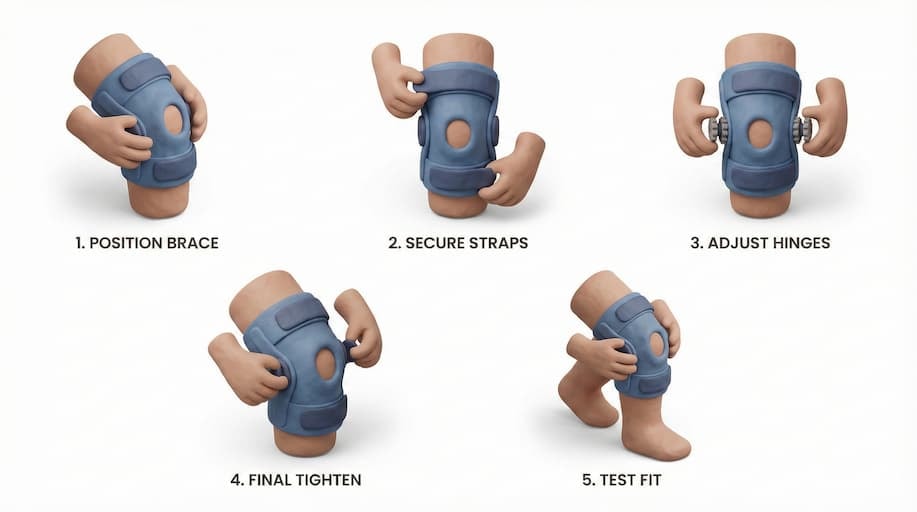
Wearing your knee brace correctly can make a big difference in your recovery. It reduces pain, supports the affected joint, and helps protect your knee throughout the healing process.
Whether you’re coming back from ACL surgery, managing swelling, or dealing with chronic pain, here’s how to wear your brace for the best results.
1. Get Into the Right Position
Start by sitting or lying down. This relieves pressure on your leg and makes it easier to apply the brace without bending or twisting your knee.
2. Align the Brace Properly
Align the brace so the hinges are level with your knee joint. If you’re wearing a compression sleeve or a slip-on brace, pull it up like a sock and center the kneecap opening over your patellar tendon.
3. Fasten Straps for Even Support
Once it’s positioned, fasten the straps from the middle outward. This creates even pressure and helps the brace remain in place. Make sure it’s snug but not too tight.
4. Test the Fit With a Short Walk
Now stand up and take a few steps. The brace should feel stable and secure without sliding down or shifting out of place. If it moves around, sit back down and adjust the straps until it fits just right.
5. Follow a Smart Wear Schedule
In the early postoperative period, especially in the first few weeks, doctors often recommend wearing the brace for up to 23 hours a day. That includes during sleep, with breaks for skin checks. As you recover, you’ll wear the brace mainly during physical activity, depending on your stage of rehab.
If your brace keeps slipping or feels uncomfortable during use, it might be time for a better fit. The Anaconda Knee Brace features a grip lining and a secure strap system that stays locked in place even during movement. It provides compression, impact protection, and joint support in a comfortable design that allows you to wear it longer without irritation.
Common Mistakes With Knee Braces That Could Delay Your Recovery
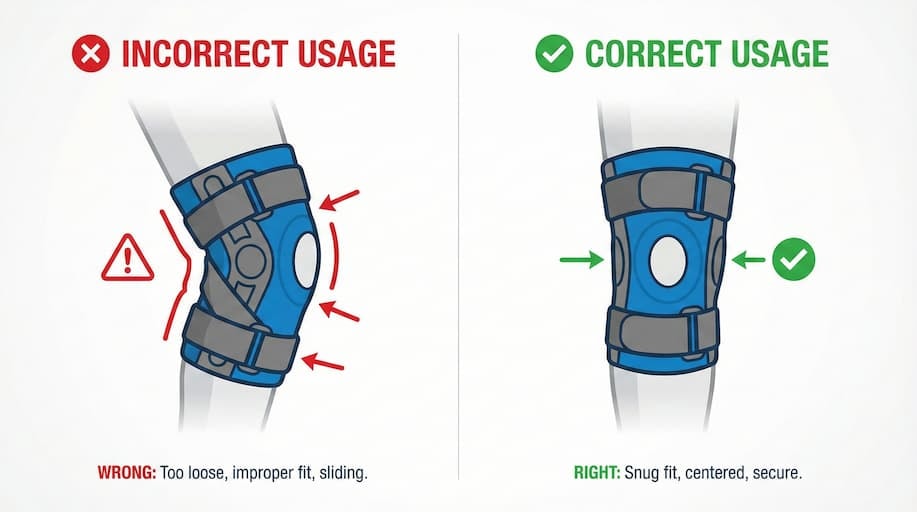
Wearing a knee brace can be a game-changer for recovery if used correctly. But common mistakes can lead to discomfort, slower healing, or even new injuries.
Here’s a closer look at what to avoid and how to wear your brace properly.
Over-Tightening the Straps
Tight doesn’t always mean secure. Many people pull the straps too tightly, believing it provides extra support. In reality, this can:
-
Cut off blood circulation
-
Cause numbness or swelling
-
Increase skin irritation or bruising
Your brace should feel snug, not painful. A simple check: you should be able to slide two fingers under each strap. If it leaves deep marks on your skin or feels like it's cutting off circulation, loosen it slightly.
Poor Hinge Alignment
For hinged or rigid braces, proper alignment is essential. Misaligned hinges can shift pressure to the wrong parts of your knee, reducing the brace's effectiveness and worsening pain.
To align it properly:
-
Sit down or lie back with your leg extended
-
Make sure the hinges line up with the crease of your knee
-
Adjust the brace until it feels balanced and allows natural bending
Getting this right helps improve stability, range of motion, and long-term recovery.
Wearing the Brace Too Long Without Breaks
Braces are meant to support healing, but wearing them for too long without allowing your skin to breathe can cause new problems.
Extended wear without breaks can:
-
Trap heat and sweat, leading to skin irritation or rashes
-
Cause muscle stiffness if worn while inactive
-
Reduce overall comfort during recovery
It’s important to take short breaks, especially during rest periods. Check your skin daily for signs of irritation, especially behind the knee and around the straps.
Skipping the Brace During Activity
Some people wear their brace during downtime but remove it for physical activity. This is one of the biggest mistakes, especially if you’re still recovering from an ACL injury or surgery.
Why you should wear it during activity:
-
Physical movement places more stress on your knee
-
Braces provide added protection during high-impact or unstable movements
-
Skipping it can increase your risk of re-injury or strain
Even during light exercise or physical therapy, a brace can provide the support your knee needs.
Using the Wrong Size or Fit
Fit is everything. A brace that's too big slides around and fails to support. Too small, and it may restrict blood flow and limit the range of motion.
Tips for a better fit:
-
Always measure your thigh, knee, and calf before purchasing
-
Double-check the brand’s sizing guide
-
Choose braces with adjustable straps or compression sleeves for a more customized feel
If you’re unsure, consult a physical therapist. They can help you choose the right brace and make sure it's doing its job.
Final Words
Knee recovery isn’t one-size-fits-all. The right knee brace can give you the confidence to move again, reduce pain, and protect your knee when it’s most vulnerable. Whether you're healing from surgery, managing chronic pain, or easing back into sports, there’s a brace that fits your phase and your goals.
Just remember: recovery is a journey. Your brace is one part of a bigger plan that should include movement, strength training, and guidance from your healthcare provider. Fit, function, and timing all matter.
If you’re still looking for a dependable brace that combines comfort, control, and value, the Anaconda Knee Brace Collection offers targeted options for every stage of healing. Built with secure straps, gel padding, and non-slip compression, it’s trusted by over 300,000 athletes and active users to protect their knees and keep them moving.
FAQs
Here are five quick answers to the most common questions about knee braces.
Should I sleep with my knee brace on during rehabilitation?
In the early postoperative phase, many surgeons instruct patients to sleep with the brace locked in full extension to prevent accidental flexion, which could stress healing tissue. This typically continues for the first two to six weeks, depending on your procedure. Functional braces used in later rehabilitation are generally designed for daytime, active use only; sleeping in them is usually unnecessary and can cause discomfort or skin issues. Always follow your surgeon’s specific instructions for your procedure.
Can I travel or fly with a post-op knee brace?
You can travel with most post-op or custom braces, but they may set off airport security scanners. Bring medical documents if needed and request an aisle seat to move around during long flights. For extended periods of sitting, moving your legs helps prevent swelling and blood clots. Quality braces with adjustable straps stay secure and comfortable during travel.
How often should I wash my knee brace?
You should wash your brace weekly, or more often if you're using it during intense rehab or activity. Sweat and bacteria buildup can cause skin irritation or affect compression performance. For slip-on braces or those with removable liners, hand-wash in cold water and air-dry. Keeping your brace clean helps manage pain and skin health long term.
How do I know when I can safely stop wearing my knee brace?
You can stop wearing your brace when your physical therapist or doctor confirms your knee is stable and strong enough. This typically follows strength and balance testing and depends on your injury recovery progress. Some people taper off use as they regain function and no longer need extra support. Avoid stopping too soon, especially if you rely on a brace for targeted relief during activity.
Can a knee brace replace surgery?
No, even the right brace cannot fully replace surgery for complete ligament tears or severe joint damage. However, braces typically help manage pain and provide structural support for mild to moderate injuries, especially for individuals not cleared for surgery. Wraparound brace designs or custom braces can reduce symptoms and delay the need for surgery as part of a comprehensive treatment plan. They may also help prevent injuries during recovery or training.


